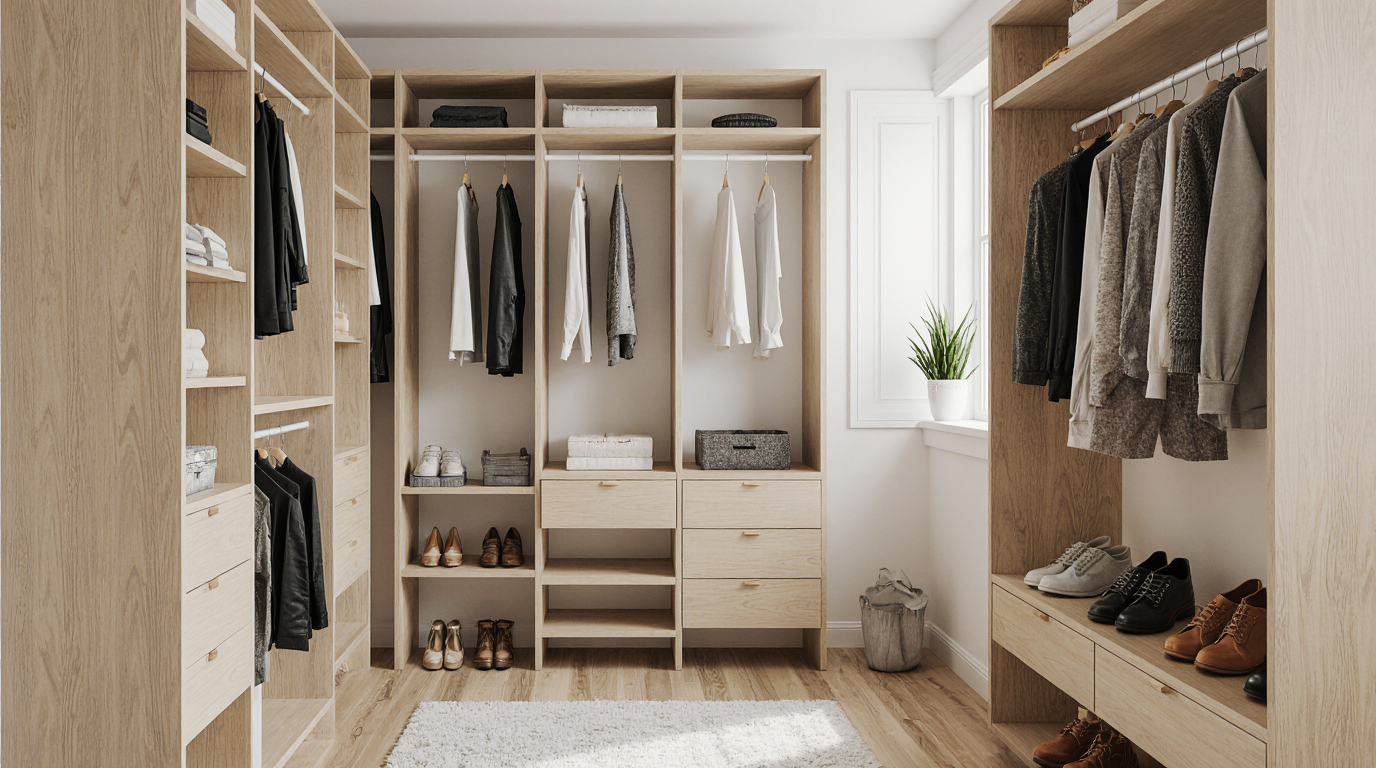
Custom Closet Shelving
In my years engineering high-end cabinetry here in Sarasota County, I’ve consistently seen the same structural failure in closets: shelves made from standard materials begin to sag and delaminate wit…

The pursuit of an organized, functional, and aesthetically pleasing home environment often leads to a deep appreciation
The pursuit of an organized, functional, and aesthetically pleasing home environment often leads to a deep appreciation for the custom closet. Far surpassing the utility of a basic storage unit, a bespoke closet represents a masterfully crafted spatial and personal management system, meticulously configured to address the particularities of your collection, the architectural constraints, and your desired home décor.
Such a tailored system stands as a testament to organizational excellence, shifting environments from chaotic to composed and setting a sophisticated tone for the day ahead. True customization begins with a thorough needs assessment, where professional designers consider everything from the volume and type of your wardrobe—shoes, accessories, formal wear, casual clothes—to the architectural nuances of your room. This bespoke process ensures that every shelf, drawer, rod, and compartment serves a deliberate purpose, maximizing every square inch, especially in challenging spaces like sloped ceilings or small bedrooms.
Committing resources to a perfectly tailored storage solution is, fundamentally, a strategic move that enhances enduring functionality and boosts the overall worth of your residence. Moving beyond the limitations of standard modular systems, personalized wardrobes are crafted from superior, long-lasting components and feature refined, sophisticated finishes, ensuring they become an intrinsic, harmonious part of your domestic aesthetic. The breadth of possibilities is immense, offering everything from deluxe natural wood grains and sleek, tasteful mirrored or glass panels to smart, ergonomic accessories and integrated LED strips that cast your belongings in a warm, flattering light. Imagine a dedicated, velvet-lined drawer for jewelry, pull-out hampers for streamlined laundry, or a specialized valet rod for pre-planning outfits. Such meticulously considered organizational features demonstrate a profound insight into everyday routines, effectively transforming the mundane acts of dressing and tidying into a noticeably refined and enjoyable ritual. The final product is a uniquely tailored private haven that not only preserves your items impeccably but also stands as a shining example of exceptional artisanal skill and intelligent use of volume. By deciding on a personalized design, you are investing in a flexible, scalable infrastructure that can mature alongside your lifestyle, confirming that your custom closet will perpetually deliver both practical organization and timeless appeal.
Closet Design Installation Sarasota FL{A custom closet is a personalized storage solution; it’s a personalized system designed to enhance your daily routine and protect your wardrobe investment. The process of closet design installation involves a detailed process from initial concept to the final, finished product. It begins with a thorough assessment of your requirements—assessing the volume of your clothing, the types of accessories you own, and your preferred way of accessing them. This vital preparation step ensures the final product is ideally suited to your habits, maximizing all usable area, whether in a spacious dressing area or a compact reach-in.
The design phase is more complex than basic storage to incorporate customized features. This includes different rod lengths for long dresses and suits, reconfigurable shelves for versatility, and smart drawers with dividers for smaller items. Modern custom designs often integrate features like pull-out racks for ties and belts, valet rods for staging outfits, and even integrated lighting to highlight your items and improve visibility. The best designs plan for evolving storage needs, ensuring the system remains adaptable and useful for years to come.
Once the design is finalized, the fitting process commences. This is where professional expertise truly shines. Installers must work exactly following the finalized blueprints, often dealing with the unique architectural quirks of your space, such as uneven walls or sloped ceilings. Excellent fitting is crucial not only for the aesthetics of the finished closet but also for its structural integrity and long-term durability. Using premium hardware and secure mounting techniques ensures that the system can handle the weight of a full wardrobe without fail.
Choosing the ideal company for your closet design and installation is a critical step. Look for companies that offer a comprehensive service—from virtual models to preview the concept before building, to an swift and tidy fitting. The ultimate goal is to convert a simple area into an tidy haven that eases your daily routine and makes storing your clothes an enjoyable experience. The investment in professional design and installation provides ongoing returns in greater efficiency and less mess.
Closet Room Design Sarasota FLTransforming an entire room into a dedicated closet, or "closet room," is the pinnacle of domestic tidiness, moving beyond a standard storage area to create a chic, practical area for getting ready. A great closet room design must carefully merge style with utility, treating the space as an essential living area. This process requires consideration of the room's flow, ensuring that changing, dressing, and selecting outfits is a seamless, enjoyable experience rather than a chore.
The layout is the backbone of the design. Unlike small closets, a closet room allows for specific sections—areas for shoes, accessories, casual wear, and formal attire. A common addition is a center island, providing both additional drawer storage and a flat surface for folding or displaying jewelry. Seating, such as a bench or ottoman, should be incorporated not just for comfort but also to define a clear dressing area. Furthermore, the design should utilize vertical space effectively, often employing tiered hanging and tall cabinets.
Lighting plays a critical, yet often overlooked, role in a closet room. Ambient lighting ensures the entire room is well-lit, while Focused lights, such as LED strips inside cabinets and drawers, helps to clearly distinguish colors and textures. Daylight is best, but where it's limited, quality artificial lighting is essential to prevent colors from being distorted. The careful placement of mirrors—full-length and sometimes three-way—is also a non-negotiable element, enhancing both the utility of the room and its sense of spaciousness.
Beyond the structural elements, the design finishes are what elevate a closet room to a personal boutique. Choosing materials like fine timber surfaces, glass doors, and elegant hardware will reflect your personal style. Accessories like soft-touch compartments, lockable cabinets for valuables, and built-in power hubs should all be considered. A well-designed closet room is a personal retreat that not only stores your belongings but also celebrates your sense of style, making it a valuable addition to any home.
Professional Closet Installation Sarasota FLOpting for expert closet setup services is the key factor that transforms a well-thought-out drawing and a high-quality, robust fixture in your home. While a DIY approach might seem tempting, the intricacies and exactitude needed for custom storage systems often necessitate expert handling. Professionals arrive with specific equipment, extensive knowledge of system layout, and an knowledge of the precise needs of closet hardware and materials that ensure a long-lasting result.
The core value of professional installation lies in accuracy. Custom closets are designed for a particular, individual area, meaning that measurements need to be precise down to a millimeter. Installers are experts at overcoming structural difficulties, such as dealing with walls that aren't perfectly plumb, managing electrical outlets, and making sure all sliders and storage units operate flawlessly and are perfectly balanced. This careful consideration eliminates typical malfunctions like misaligned storage, doors misalignment, or units developing instability.
A significant advantage is the efficiency and cleanliness of the process. Professional teams are skilled at finishing the setup with little interruption to your daily routine. They stick to a defined timeline, manage all debris and waste, and leave the area clean and ready for immediate use. Furthermore, a professional service usually offers protection on the materials and the fitting service, providing peace of mind and securing your financial outlay.
When selecting an installation team, check their track record concerning the exact components and design you picked. A premium provider will do more than just the assembly but will also conduct a comprehensive review upon completion. This verifies that every drawer, hinge, and light is operating perfectly, assuring that the completed work adheres to the high quality metrics of both the company and the customer. Hiring professionals for the setup guarantees the durability and optimal operation of your new custom system.
Closet Organizer Installers Near Me Sarasota FLSearching for reliable closet organizer installers near me is the natural progression after you've approved the layout plan. Being local is important for fitting services, as local providers frequently deliver quicker service, customized support, and a greater familiarity with area architectural designs and regulations. Finding a trustworthy local team ensures that the transition from a conceptual design to a completed, functioning closet is handled smoothly and efficiently.
When evaluating prospective contractors, it’s critical to consider more than just the price estimate. Examine the provider's past performance and testimonials, especially comments on the fitting standard, separate from the planning aspect. Find confirmation they treat the residence with care, work cleanly, and meet the set deadline. A top-rated area company will often possess a collection of finished jobs in your locality, building trust in their skill to manage spaces like your own.
The expertise of the installer is directly related to the longevity of your closet system. An skilled specialist will be expert at fastening bulky storage components firmly and incorporating complicated components, like rotating corner racks or specialized jewelry drawers, making sure they work without a hitch. They are familiar with the specifics of the chosen components, ranging from luxury wood surfaces to tough composite sheeting, and use the right methods to avoid harm while building and fitting.
A quality neighborhood fitter will usually take charge of the operational aspects, such as coordinating the material shipment, inventory checks, and debris removal. Prior to signing the contract, inquire about the guarantee covering their labor, as this is a measure of their assurance in their quality of work. Choosing a highly-rated local installer is the best way to ensure your custom-designed organizer is built to last and looks as perfect in your home as it did on the drawing board.
Affordable Closet Design Sarasota FLCreating an efficient, well-organized closet doesn't require a huge expense; it's completely possible to have an economical closet design by making smart, deliberate choices. The key to budget-friendly design is prioritizing utility and focusing on the core organizational needs rather than expensive, custom finishes. This involves maximizing existing space and opting for material solutions that provide lasting quality without the price tag of specialized woodwork.
The most effective way to keep costs down is to choose systems that are modular or pre-designed. These systems use pre-made parts like shelves, drawers, and hanging rods that can be mixed and matched to fit your space. Laminates and melamine are excellent, cost-effective alternatives to solid wood, offering an easy-to-maintain, resilient finish across many aesthetic options. By using these materials, you can dedicate a larger portion of your funds to essential functional components, like high-grade slides for drawers and versatile shelving supports.
To keep things affordable, another tactic is to concentrate custom spending on features you use most often. For instance, rather than custom drawers for the entire system, you might choose only a handful of specialized drawers and rely more on open shelves and bins. Make vertical organization a key priority, utilizing straightforward double-hanging systems that effectively double capacity for trousers and shirts, which is a greatly affordable way to expand your usable area.
Finally, think about the value over time. A thoughtfully-designed, economical closet will prove its worth by saving you time and reducing chaos, proving its worth every day. Work with a designer who is transparent about material costs and willing to collaborate on a design that respects your financial limits while maintaining essential utility. The goal of budget-friendly closet solutions is to deliver an organized area that is durable, practical, and easy on the wallet.
Closet Installation Cost Sarasota FLThe addition of a new closet can completely change a messy area into a tidy, highly practical space. However, understanding the financial commitment is the first crucial step in any successful project. The cost of a new closet system is a variable figure; it is a flexible number determined mainly by the project's size, the selected materials, and if you choose a custom or pre-made system. Typically, there's a wide range in costs, with standard wire shelving being the least expensive, while elaborate custom cabinetry and built-in features demand a considerably higher investment.
The main factor influencing the ultimate cost is how much customization is involved. A basic renovation of a reach-in closet with standardized systems could use economical materials such as laminated particleboard or melamine, which helps to keep both material and labor expenses down. On the other hand, a large walk-in closet designed with luxury features such as solid wood drawers, integrated lighting, glass doors, and specialized accessories will inherently increase the complexity and cost. Furthermore, the expense of labor changes widely based on the installer's experience and where you are located, so seeking various, itemized bids is crucial for accurate financial planning.
To create a workable budget, you should consider three key elements: accessories, materials, and labor. Materials often account for the largest portion of the budget, with high-end choices like cherry wood or professional-grade steel being more expensive than standard laminate. The expense for labor includes the installation itself, the removal of the old closet, and the initial design consultation, which can take as little as one day for easy systems or up to a full week for complicated custom projects. Lastly, don't overlook the impact of specialized accessories like tie racks, shoe carousels, or built-in hampers, which can easily accumulate in price yet greatly enhance the usefulness of your closet.
The most effective strategy is to clearly determine your priorities and needs before requesting quotes. Determine whether you require maximum storage on a strict budget or if you are seeking a high-end architectural feature that complements your home's luxury aesthetic. By clearly outlining your vision and understanding the variables that drive up costs, you can partner successfully with installers and designers to get a beautiful and practical closet that honors your financial limits.
Custom Home Closets Sarasota FLCustom home closets mark the high point of bespoke utility, doing more than just offering capacity to become essential features of a home’s interior design. As opposed to typical prefabricated cabinets, a custom closet is meticulously designed to fully utilize all potential room, precisely fitting the unique measurements of the area and the unique needs of the homeowner. This **level of detail ensures not only optimal utility but also a harmonious look consistent with the home's style, transforming a previously overlooked area into a tailored and highly efficient space.
The creation of a bespoke system kicks off with a detailed meeting, where professionals review your present garments, organizational demands, and daily routine. This initial assessment is vital, figuring out the ideal balance of suspension areas, flat surfaces, pull-out units, and specialty storage. For instance, someone who owns a large amount of professional clothing will require more full-length rod sections, while an enthusiast for extras may need tailored compartments for jewelry and specific racks for footwear. This bespoke approach guarantees that the final installation is not just attractive, but flawlessly aligned with your daily living.
Materials choice is a key advantage for bespoke systems. While off-the-shelf solutions are limited to a few standard finishes, tailored systems enable the use of numerous superior-grade elements, such as natural woods like cherry or walnut, specialized veneers, and superior thermofoil with special finishes and patterns. Furthermore, you can integrate sophisticated features such as discreet electronic charging points, motion-activated illumination, or fitted reflective panels and resting spots. These esthetic decisions create an opulent, permanent impression that substantially increases your property's market appeal.
Opting for a bespoke wardrobe is a commitment that benefits your everyday life and the price of your house. By tackling disarray where it starts and providing an accessible, logical place for every item, a tailored system minimizes everyday anxiety and cuts down on search time. Moreover, when selling a house in a tough market, a custom-made, high-quality closet system is a powerful feature, indicating meticulous care and superior craftsmanship that draws in purchasers desiring premium, ready-to-use amenities.
Ideas Walk In Closet Sarasota FLA walk-in closet is often seen as a sanctuary of order and style, and the range of design ideas available today is vast, allowing for a space that is as unique as your wardrobe. Going further than pure capacity increase, modern walk-in closet designs focus on creating an experience, combining the utility of keeping items with the sensation of a high-end store. A fundamental idea is the smart utilization of upward area, featuring tall cabinets and stacked clothes rails to take advantage of the closet's height, boosting the overall holding volume substantially.
A critical design consideration is the lighting, which can dramatically influence both the appearance and utility of the space. As opposed to depending on just a main light source, current trends involve a multi-level strategy: incorporating task lighting within shelves and drawers to illuminate contents, display lighting to draw attention to cherished pieces like bags or boots, and background light to set a cozy and pleasant tone. Proper lighting not only makes it easier to find items but also ensures that colors are true, which is essential when coordinating outfits.
For individuals seeking to combine elegance and ease, a few inventive additions are popular. Consider a central island with a solid surface top, which offers a specific space for organizing clothes, preparing ensembles, or displaying valuables beneath a transparent top. Pull-out units with bespoke dividers for neckwear, wraps, or timepieces maintain small articles in perfect order. A further sought-after concept involves adding a specific grooming zone, featuring a tall looking glass, a plush seat, and potentially even a built-in makeup station, converting the storage area into an authentic preparation space.
At the core, superior dressing room designs focus on individual needs and improving accessibility. Utilizing clear or frosted glass doors on cabinets can provide the aesthetic of a display case while protecting garments from dust. Incorporating a varied mix of open shelving, closed drawers, and hanging space is crucial to accommodate diverse wardrobes. By concentrating on clever sorting methods and well-considered aesthetic features, you are able to raise your dressing room from a simple requirement to a fount of peaceful, daily upliftment.
Luxury Walk In Closet Sarasota FLA premium walk-in closet transcends basic storage; it is a expertly created, sophisticated space that serves as a dedicated changing space and a showcase for a premium wardrobe. The essence of a luxury closet lies in the details—the materials used, the precision of the craftsmanship, and the incorporation of smart features. These spaces often feature rare or natural woods, such as cherry, finished with elegant laminates and hardware that is weighty and distinct. The objective is to create an environment that feels less like a storage area and more like a high-end, custom-built extension of the home’s most refined living spaces.
The design of a luxury walk-in closet places a major priority on display and practicality. Features commonly include illuminated, adjustable shelving for showcasing premium shoes and accessories, velvet-lined drawers for safeguarding delicate items, and layered accessory trays that keep precious items secure and visible. Instead of standard rods, one might find brass or chrome hanging fixtures, often integrated with a gentle pulley system or soft-close mechanisms on all drawers and doors, providing an effortless and high-quality user experience.
Advanced tech is vital in modern luxury closet design. Integrated LED lighting systems are paramount, with options for adjustable light warmth to mimic various environments, ensuring outfits look perfect whether worn under daylight or artificial illumination. Furthermore, many high-end closets incorporate features like fingerprint-locked compartments for valuables, or temperature and humidity control systems specifically designed to protect delicate or valuable fabrics, such as furs or vintage garments, ensuring their preservation.
The primary hallmark of a luxury walk-in closet is the perfect integration of luxury and practicality. This often includes laying down soft flooring or a decorative carpet, a elegant central unit with stone or engineered surface, and a comfortable seating arrangement. By prioritizing both an luxurious look and a streamlined, practical design, a luxury walk-in closet becomes an exclusive haven—a personalized space where getting ready for any occasion is a moment of enjoyment.
Walk In Closet Designers Near Me Sarasota FLSelecting the best walk-in closet designers is the essential phase in translating a vision of tidiness and elegance into a real, usable area. The search for "walk-in closet designers near me" should not merely focus on closeness but on locating experts who combine aesthetic skill with technical expertise and regional knowledge. A qualified designer acts as a lead and advisor, capable of evaluating structural constraints, understanding your specific storage demands, and leading you past the wide choice of finish and fixture possibilities.
A skilled regional expert brings an deep knowledge of local styles and the typical home styles in your area, which can impact selection of finishes and overall aesthetic. They are often backed by a reputable local company, providing access to an established portfolio of past projects that showcase their expertise in different sizes and challenges, from small storage spaces to expansive luxury dressing rooms. When evaluating candidates, look for demonstrable proof of their ability to incorporate bespoke features, such as specialized drawers, tailored illumination, and unique finishes, into their designs.
The first meeting is a crucial time to gauge the professional's method. A great designer will focus on listening to your needs rather than pushing pre-packaged solutions. They should inquire about your typical wardrobe, the things you want to keep (not just clothes but suitcases, hobby equipment, etc.), and your budget constraints. They should then be able to show a precise 3D model or 3D model of the proposed design, allowing you to visualize the finished product and choose wisely on materials and layout before the project commences.
Ultimately, selecting the right walk-in closet designer means finding a collaborator who can deliver both high-quality design and installation. Ensure the proposal includes a list of components, labor costs, and a clear timeline. By choosing a nearby expert with a strong track record, you not only ensure personalized service and communication throughout the project but also gain a valuable asset who is readily available for any future adjustments or maintenance, assuring happiness with your bespoke closet for a long time.
Fancy Walk In Closet Sarasota FLA walk-in closet is an exclusive dressing area; it's a personal retreat that sets the tone for your day and should be a true extension of your style. Moving from a standard closet to a fancy walk-in often involves a transformation from simple function to opulent style. This upgrade is characterized by premium finishes, thoughtful illumination, and a meticulous design designed to elevate the daily routine of dressing. Think beyond standard storage solutions—a truly fancy walk-in incorporates elements like a central island for folding and display, tailored storage units, and even a dedicated spot to pause.
The key to achieving a truly "fancy" aesthetic lies in the details and finishes. Instead of standard laminate, a luxury closet features solid wood shelving, premium finishes, or even display enclosures. Hardware should be eye-catching, perhaps brushed gold or polished chrome, adding a premium accent to the drawers and doors. Excellent lighting is crucial, moving beyond a single overhead bulb to include recessed ceiling lights, LED strips under shelving for accent, and even a glamorous light feature to create an opulent ambiance. These layers of light not only make the space feel grand but also ensure that your entire wardrobe is showcased, minimizing clutter and maximizing efficiency.
Designing a fancy walk-in closet also requires meticulous planning of the interior architecture. It’s not enough to simply have space; the layout must be personalized for the user's belongings. For a collector of designer shoes, dedicated shelving and display cases might be paramount. For someone with a large collection of suits and gowns, long-hang sections and storage bags are essential. The most impressive closets artfully combine function and presentation, creating a personal showroom right in your home. This intentional design ensures that the space operates flawlessly while maintaining its sophisticated look.
Ultimately, a fancy walk-in closet is an investment in both home value and quality of life. It’s a space where design meets practicality, making the process of getting ready a pleasurable, effortless experience. By focusing on premium materials, meticulous execution, and a layout tailored to individual needs, homeowners can transform a simple storage area into a luxurious, highly-organized, and personal retreat.
Custom Walk In Closet Shelving Sarasota FLCustom walk-in closet shelving is the key component that transforms a pre-built wardrobe into a perfectly organized, personalized dressing area. Unlike pre-fabricated systems, custom shelving is designed to perfectly accommodate the specific dimensions of a space and the specific size and nature of your clothing collection. This level of tailored design eliminates dead zones, such as awkward corners or unreachable heights, ensuring that the space is used to its fullest potential.
The primary advantage of customized shelving lies in its flexibility. A designer can incorporate a variety of storage components beyond standard shelves, such as tilted shoe displays, divided drawers for jewelry and accessories, and varied hanging heights for different garment lengths. For instance, a specific section can be engineered with adjustable shelving perfect for folded items yet fully accessible, while another area can feature pull-out hampers or tie racks. This thoughtful integration of specialized units ensures that your belongings are stored smartly.
Furthermore, custom shelving allows for a choice of materials and finishes that boost the visual appeal. Homeowners can select from rich wood veneers, durable laminates, or elegant clear panels, matching the closet's look to the bedroom or bathroom decor. The finish on the edges and the quality of the supporting hardware—often overlooked in standard kits—become defining features in a custom build, adding a polished, permanent feel. This attention to material quality significantly enhances the durability and long-term appearance of the shelving system.
When considering a custom solution, it is essential to consult an expert designer to map out your current inventory and future needs. A good designer will conduct a detailed inventory of items (e.g., number of long dresses, pairs of shoes, folded items) to create a blueprint that prioritizes the most-used items for easy access. Investing in custom shelving ensures that the resulting walk-in closet is not only beautiful but also a highly practical and stress-reducing component of your daily routine.
Cost Closet Organizer Sarasota FLThe price point for a closet organization setup is highly variable, being determined chiefly by the type of system chosen, what the system is made of, and whether the installation is done professionally or as a DIY project.
At the low end, plain shelving units made of wire or plastic modules can be acquired for as little as $\$fifty$ to $\$200$, giving a simple and usable method for maximizing the room for clothes and items in a smaller wardrobe. They are often simple enough for a homeowner to set up and act as an immediate remedy for clutter problems.
Going up in price, organizers built from widely-used particleboard or laminate, often semi-customizable, represent the mid-range option. The cost for these typically ranges from $\$500$ and $\$two thousand five hundred$ for an average-sized closet that you can walk into. Such pricing accommodates more diverse organizational elements—including compartments, bins, and specialized shoe storage—and may involve a designer's input and a professional installation service. The cost is largely dictated by the complexity and quantity of the included components, as advanced features mean a much higher final cost.
For a high-end, fully custom closet organizer, the required expenditure starts at $\$three thousand$ and can exceed $\$15,000$. This top-tier pricing reflects the use of premium materials such as genuine timber or quality wood finishes, specialized hardware, pre-installed lights, and elaborate features like a vanity island, mirrored fronts, and transparent shelving. At this level, the cost covers a full-service experience, covering intricate planning, custom fabrication for the exact dimensions, and professional assembly, which makes it feel more like a piece of bespoke cabinetry than mere functional storage.
It's important to consider the price of a closet organizer as an investment in a more effective home and a higher resale value. While the initial expense for a custom, high-quality system is significant, its longevity, perfect usability, and visual charm typically justify the expense in the long run. Buyers must first determine their financial limits and what features are most important—focusing on either aesthetic quality or pure capacity—to choose the organizer that provides the best long-term value for their specific needs.
Cost of Custom Wardrobe Sarasota FLThe price tag for a personalized closet is a very dynamic investment, with its price being shaped by dimensions, inner configuration, selected finishes, and any added bespoke elements. Unlike a standard, off-the-shelf unit, it is a fixed, integrated structure meticulously designed for the room size and the user's habits, which signifies that its price covers a high degree of individualized planning and craftsmanship. Initial estimates for a professionally designed and installed custom wardrobe can typically start from around $\$two thousand$ to $\$four thousand$ for a smaller, more basic unit.
The total cost increases significantly as the internal features become more complex. The inclusion of lighting, specialized racks for pants, soft-lined drawers for jewelry, and sophisticated internal separators contributes heavily to the total price. The quantity and type of doors (sliding or swinging), their functioning hardware, and the external look are also major price factors. Choosing premium materials such as solid woods, unique coatings, or glass/mirror panels can elevate the price for an average-sized wardrobe into the range of $\$5,000$ to $\$ten thousand$ and possibly exceed that.
Design and installation fees also contribute significantly to the total expenditure. A custom wardrobe requires precise measurements and an expert installer to ensure a seamless, built-in look that maximizes space utilization from floor to ceiling. This professional service guarantees the highest quality of fit and finish, a detail that greatly justifies the higher cost compared to pre-assembled furniture. Multiple discussions are held during the design phase to adjust the arrangement, a necessary step for an optimally functioning storage unit.
Ultimately, a bespoke closet is a permanent addition that improves both how the bedroom works and how it looks. Though more expensive than ready-made choices, the money spent results in a product that is custom-fit, very long-lasting, and significantly increases the elegance and worth of the home. Prospective buyers should always seek detailed quotes that break down material, labor, and feature costs to make an informed decision based on their specific needs and budget.
Closet Shelving Solutions Sarasota FLShelving systems for closets form the foundation of any effective wardrobe organization, as they provide the necessary framework to utilize height and organize belongings. The vast array of options available can be generally grouped into three main categories: wire, laminate/melamine, and solid wood systems, each offering distinct advantages in terms of durability, appearance, and cost. Selecting the appropriate system is highly dependent on the closet style (e.g., reach-in or walk-in), the weight of the items being stored, and the homeowner's desired aesthetic.
The cheapest and simplest to put up is wire shelving, often favored in utility closets or rental properties due to its low cost and ventilation properties. While practical, it occasionally leaves imprints on garments and doesn't offer the visual appeal of other materials. Laminate or melamine shelving is the middle-tier ideal, offering a solid, furniture-like appearance with good durability and a vast selection of colors and finishes. Laminate is a go-to for bespoke and modular closet solutions since it strikes a great balance between price, style, and utility.
The premium choice is solid wood shelving, which provides unmatched strength, a luxurious look, and the highest long-term durability. Solid wood can be stained or painted to match any decor and offers the ability to integrate sophisticated detailing, such as crown molding or custom edge profiles. In addition, numerous contemporary systems are easily modified, utilizing rail-and-bracket systems that allow homeowners to easily reconfigure the height and placement of shelves, drawers, and rods as their storage needs evolve over time.
No matter the selected material, the most effective shelving solution is one that is specifically designed to align with the inventory and habits of the user. Effective design often involves integrating specialized shelving units like angled shoe shelves, divided cubbies for purses, or pull-out trays for folded clothes. By carefully choosing and arranging the storage units inside a wardrobe, one can transform a chaotic space into a highly efficient and visually appealing storage system.
Walk-In Closet Shelving Sarasota FLA well-designed walk-in closet is not simply a storage area for garments; it is a dedicated space that can greatly simplify your daily preparations and add a touch of elegance to your everyday experience. Central to this transformation is the shelving system. Effective shelving is the backbone of any organized walk-in closet, maximizing vertical space and providing a clear, accessible home for each possession, from folded sweaters to your collection of handbags. Choosing the right material and configuration is key to both functionality and aesthetic appeal.
When considering walk-in closet shelving, homeowners often must decide between tailor-made wood solutions and adaptable wire or prefabricated options. Wood shelving provides a classic, integrated aesthetic with greater strength and a luxurious impression, often featuring components like large bins and specialized sections. Wire shelving, while maybe not as visually appealing, provides excellent ventilation and adjustability at a more budget-friendly price point. The best choice depends heavily on your budget, the size of your space, and your long-term organizational goals.
Modern shelving design emphasizes flexibility and accessibility. Adjustable shelves are crucial for storing possessions with diverse dimensions, such as stacks of linen or seasonal boots. Integrating a mix of open shelving, which allows for quick visual inventory, with closed storage like drawers or cabinets keeps the space looking neat. Consider incorporating dedicated shelving for accessories, such as shallow pull-out trays for jewelry or slanted shelves for displaying shoes, guaranteeing all belongings are correctly situated.
The overall goal of your shelving choice should be to create a harmonious blend of form and function. Good shelving transforms your wardrobe from a simple repository into a private shop, making the act of getting dressed a pleasant experience. By carefully planning the depth, height, and material of your walk-in closet shelving, you invest in an organized space that reflects your personal style and enhances the overall value of your home.
Semi Custom Closet Cabinets Sarasota FLSemi-custom closet cabinets present an ideal compromise between the expense and lead time of fully bespoke units and the constraints of pre-fabricated, flat-pack kits. These systems provide a significant level of customization, allowing homeowners to select unit designs, material surfaces, and storage elements like shelves and hanging rails, while utilizing pre-set unit frameworks. This method allows for a precise layout that maximizes space efficiency without the high investment associated with ground-up custom design.
The main attraction of tailored cabinetry stems chiefly from their design flexibility. You can often choose from a broad spectrum of colors and materials, from classic wood veneers to modern melamine finishes, enabling you to match your closet cabinetry with the existing aesthetic of your bedroom or master suite. Importantly, the standardized modular components are designed to be mixed and matched, helping you create a high-end setup that handles your precise storage requirements, whether for a large rail area, numerous drawers for folded clothes, or specialized compartments.
In addition, the installation process for semi-custom cabinets is typically more straightforward than for a fully custom build. Since the units are manufactured to standard sizes, they come pre-assembled and prepped, significantly reducing the effort and duration required in the project. This makes them a popular choice for keen home improvers or people aiming to finish a high-quality renovation project on a quicker timeline.
By choosing semi-custom closet cabinets, you achieve an elevated level of organization and finish that goes beyond simple organizers. The result is a durable, attractive, and highly functional closet space that appears completely custom-designed. It is an intelligent investment for those looking for refined storage solutions that blend superior quality, tailored aesthetics, and competitive value.
Wardrobe Cabinet for Garage Sarasota FLThe garage, frequently viewed as just a functional area, can become a neatly structured overflow zone of your home with the strategic addition of a tough storage locker. These cabinets are specifically designed to handle the harsher conditions of a garage—humidity changes, dust, and moisture—providing a critical, enclosed space for items that require protection or dedicated storage away from the rest of the house.
In contrast to standard bedroom closets, garage wardrobe cabinets are built with heavy-duty integrity in mind, often featuring metal or heavy-duty plastic materials that stand up to rigorous use. Their main function is to offer safe, dust-free storage for a variety of items. This can range from out-of-season attire, such as ski gear or heavy coats, to safety apparel, DIY essentials, or even large, seldom-used belongings that are seldom used but require a specific location.
The configuration of these cabinets typically features a combination of flat surfaces and a clothes rail, offering maximum versatility. The rail is critical for keeping specialty items wrinkle-free, such as mechanic jumpsuits or ceremonial attire, while adjustable shelves allow for the vertical stacking of totes or gear. Cabinets with locking mechanisms are a highly beneficial element in the garage, ensuring hazardous materials, valuable tools, or sensitive documents are kept securely locked away.
A good garage wardrobe cabinet not only organizes clutter but also improves the visual quality of the space. By hiding untidy belongings behind solid doors, the cabinet instantly creates a cleaner, more cohesive appearance, changing the space from a messy storage area into a practical and neat environment. This straightforward upgrade is key to unlocking the full organizational potential of your garage.
Custom Shoe Storage Sarasota FLFor serious shoe enthusiasts or those with a large and varied collection, custom shoe storage is the best way to bring order and display elegance to a closet or dressing area. Generic shoe racks often fall short, not managing to safeguard valuable shoes or handle a variety of styles, from fragile heels and tall boots to chunky sneakers. A custom solution solves these exact problems, ensuring each shoe is well-maintained, simple to see, and safe from harm.
Creating bespoke shoe organizers involves planning the precise dimensions and features necessary for your specific collection. This might include adjustable or slanted shelving to showcase footwear effectively, separate compartments to maintain the shape of delicate items, or specialized racks designed for boots, avoiding folds. The use of transparent or glazed panels, alongside built-in illumination, can turn a simple storage area into a boutique-style display, treating your shoes like a museum exhibit.
The material and finish are also crucial to the custom experience. Premium timber, veneer, or metallic elements can be customized to fit the aesthetic of your closet or room. Beyond aesthetics, proper design factors in ventilation and accessibility. Sliding drawers or revolving sections can maximize storage in deep or awkward spaces, while ensuring that the rarely used shoes are not lost deep inside the unit.
Putting money into a bespoke setup is a sensible method to prolong the life of your footwear and make your everyday life easier. By making a designated, precisely sized spot for each pair, you stop the stressful hunt for a pair and ensure that your shoes stay looking brand new. Custom shoe storage is a testament to meticulous organization and a pledge to safeguard your costly purchases.
Small Shoe Storage Cabinet Sarasota FLFor small flats, hallways, or modest-sized rooms where room is scarce, a small shoe storage cabinet offers an essential and discrete organizational solution. These cabinets are expertly designed to maximize storage density in a minimal space, preventing the clutter of shoes from accumulating near the front door or at the base of the closet. They prove that even limited square footage can accommodate efficient, good-looking organization.
The utility of a compact shoe unit often depends on clever features. A lot of common designs use drop-down compartments, which cleverly store shoes vertically, stacking them heel-to-toe to minimize the cabinet's depth. This design is especially good for tight corridors or utility rooms where a large, conventional unit would block the walkway. Other designs employ compact shelving or cubbies, often hidden behind neat, plain panels for a uncluttered look.
Beyond organization, a major advantage of these smaller units is their ability to suit any style. Offered in many different colors and textures, from crisp white and natural wood tones to deep, contemporary colors, they can seamlessly integrate with existing furniture and decor. The top surface of many small shoe cabinets often doubles as a functional entryway table, providing a convenient drop zone for your keys, post, or an ornament, making the cabinet more useful.
In the end, a compact shoe unit is a great way to keep your home neat and inviting. It tackles one of the most common sources of domestic clutter—the jumble of daily footwear—with a compact and elegant solution. By neatly containing shoes and hiding them from view, it ensures that your entryway or small living space stays organized and works perfectly.
Simple Closet Solutions Sarasota FLA well-organized closet doesn't require a complete overhaul or a massive budget. Usually, the most effective answers are the easiest ones that make the most of your existing area. Start by decluttering, removing any items you haven't worn in a year or that no longer fit. This foundational step immediately creates more visual space and simplifies the process of getting organized. You can then move on to using simple, inexpensive accessories to keep things neat.
One of the most effective yet simple tricks is using vertical space. If you have a single hanging rod, think about getting a second rod or opting for cascading hangers to fit more blouses, skirts, and folded pants. For items like footwear or extras, inexpensive stackable shelving units or hanging organizers can be placed below garments or on the inside of the door, using all the room available from top to bottom.
Furthermore, a consistent use of slim, matching hangers can greatly improve the situation. Replacing bulky plastic or wire hangers with velvet-covered, narrow ones instantly frees up several inches of rod space, allowing you to fit more garments without crushing them. This small change also gives the closet a unified and tidy appearance, elevating its overall aesthetic.
Lastly, don't forget good light and transparent boxes. Installing a battery-operated LED light strip can illuminate dark corners, helping you see what you own. Use see-through containers or hampers on top racks for off-season clothes or seldom-worn items. Putting labels on them makes sure you can tell what's in there without having to pull everything down. These simple adjustments transform a chaotic space into a functional and peaceful one.
Closet in the Garage Sarasota FLTapping into the garage as a place to keep extra stuff is common, but with a little forethought, it can function as an incredibly efficient extra closet. A "closet in the garage" is ideal for belongings that don't belong inside the main house due to bulk, seasonality, or their composition, such as outdoor gear, tools, work uniforms, or athletic gear. The key is to protect the contents from the garage environment, which can experience wide swings in heat and dampness.
To start, you must select the right storage structure. Unlike interior closets, garage closets must be built from sturdy materials. Storage units that close completely—preferably made of steel or moisture-resistant laminate—are the most recommended route. These cabinets protect your items from dust, pests, and the humidity that often permeates a garage, making sure things like unique equipment or seasonal garments remain in good condition.
The functionality of a garage closet depends on being personalized to fit diverse needs. Instead of merely a simple pole, add a mix of organizational components like deep shelves for bulky boxes, utility boards attached to the doors for small tools, and adjustable rods for hanging items. For sports gear like protective headgear and spheres, opt for mesh containers that let air flow freely and stop mold and mustiness, keeping everything fresh and accessible.
Finally, location and labeling are paramount. Position your storage unit away from the main garage door opening to reduce how much grime and car fumes hit it. Be certain that all sections and drawers within the garage closet is marked explicitly and prominently. Since belongings in the garage are often retrieved infrequently, explicit labeling prevents frustrating searches and maintains the system's order over time.
Garage Closets Sarasota FLGarage closets are no longer just utilitarian spaces for dusty tools; they are sophisticated storage solutions designed to handle the toughest demands of a home. Contemporary closet systems for the garage, frequently installed as complete units, are necessary for people who own their homes who want to free up the floor in their garage and turn the space into a practical part of their home, such as a workshop, a place for creative pursuits, or simply a neat place to park the car.
The strength of a good garage closet system is found in how well it's built and how long it lasts. These systems typically feature industrial-grade materials, such as thick, durable metal or sturdy, layered lumber that resists warping and damage from impacts, chemicals, and temperature swings. The use of a powder-coat on the surface stop corrosion and ensure that cleaning up tough messes is simple, ensuring the longevity of your investment.
When planning your garage storage system, it’s critical to go beyond basic shelving. Incorporate specialized features that are perfect for the specific things kept in the garage. Slatwall panels attached to the cabinet exteriors or interior walls are great places to suspend equipment like tools, garden implements, and steps. Meanwhile, built-in desks that have drawers that can be locked provide a dedicated space for projects while keeping hazardous tools securely tucked away from children and pets.
In the end, the best garage closet solution is one that is attached to the wall and not touching the ground. Lifting the storage unit prevents water damage from spills or rain and simplifies the task of sweeping and cleaning the garage floor. This off-the-floor design results in a tidier, less cluttered appearance and is the sign of a top-tier, expertly designed storage solution.
Closets and Garages Sarasota FLThe connection between closets and garages in a home is a clear indicator of the home's level of order. While traditional closets handle clothes and items used inside the house, the garage is the frontier for large, time-of-year, and useful things. Combining the methods used to organize both spaces holds the key to a house that is completely free of clutter, where all items have their own spot, regardless of its function.
A core link is the focus on using space that goes up. Just as clothing closets utilize elevated racks and two-tier hanging, the garage should utilize overhead storage racks and tall utility cabinets. This strategy leverages often-wasted vertical space, clearing the floor in both the bedroom and the garage. By thinking vertically, a tiny wardrobe or a compact vehicle storage space can provide an unexpected volume of practical space.
In addition, a seasonal rotation system can connect the closet and garage seamlessly. Things you only need annually or biannually—like festive ornaments, outdoor sleeping equipment, or thick cold-weather jackets—should migrate between a garage closet and the main indoor closets. Implementing identical, clearly marked containers for this swap provides a smooth process, making certain that your indoor storage is only for everyday essentials while the garage acts as a neat, protective holding area for off-season belongings.
Finally, the rules for grouping and marking are the same everywhere. In both a walk-in closet and a garage cabinet, grouping similar items together—whether it's professional attire or power tools—makes locating and storing items much quicker. Easy-to-read, long-lasting tags on bins and shelving units stop you from forgetting where things are and guarantee that the organizational integrity of both your personal and utility spaces is maintained long-term.
In my years engineering high-end cabinetry here in Sarasota County, I’ve consistently seen the same structural failure in closets: shelves made from standard materials begin to sag and delaminate wit…
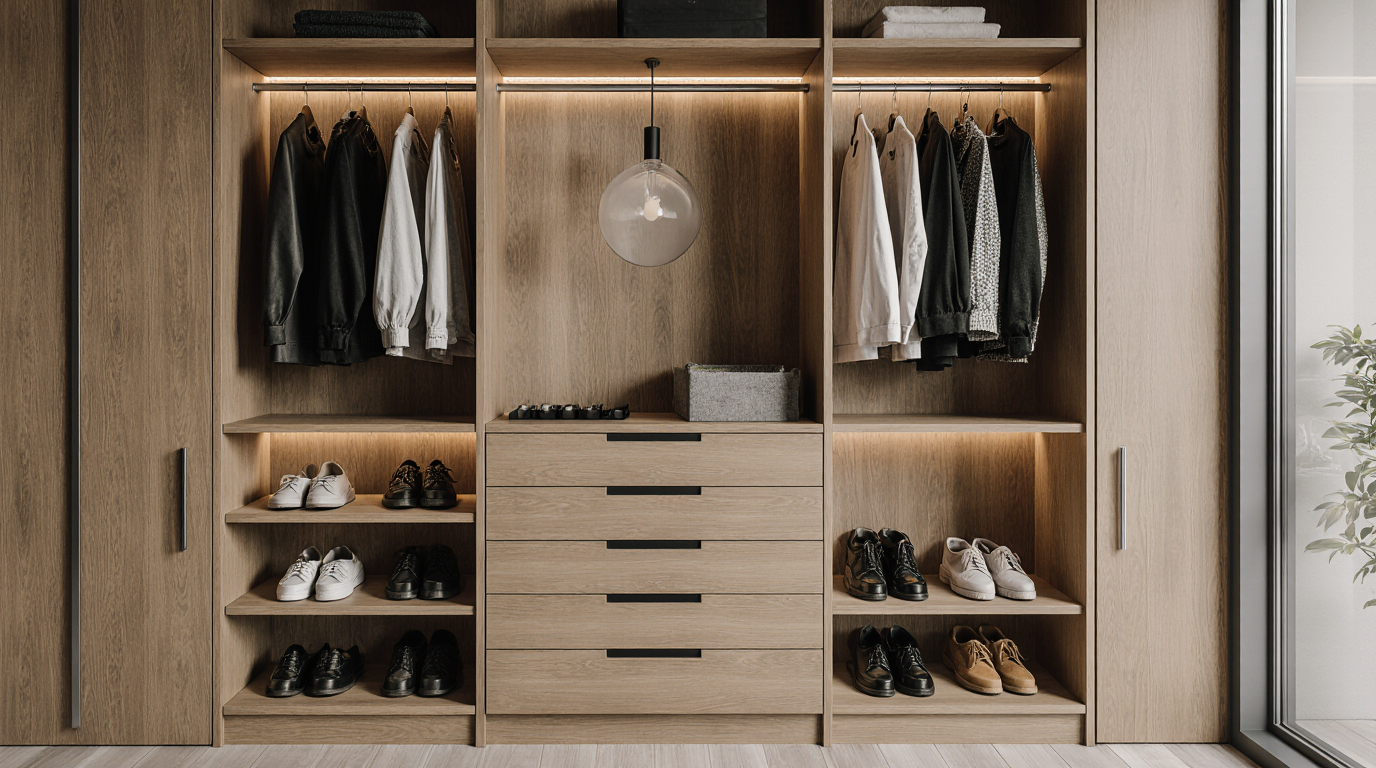
Working on luxury properties from Lakewood Ranch to Siesta Key, I've seen countless high-end closet systems fail prematurely. The issue isn't poor craftsmanship, but a fundamental misunderstanding of…
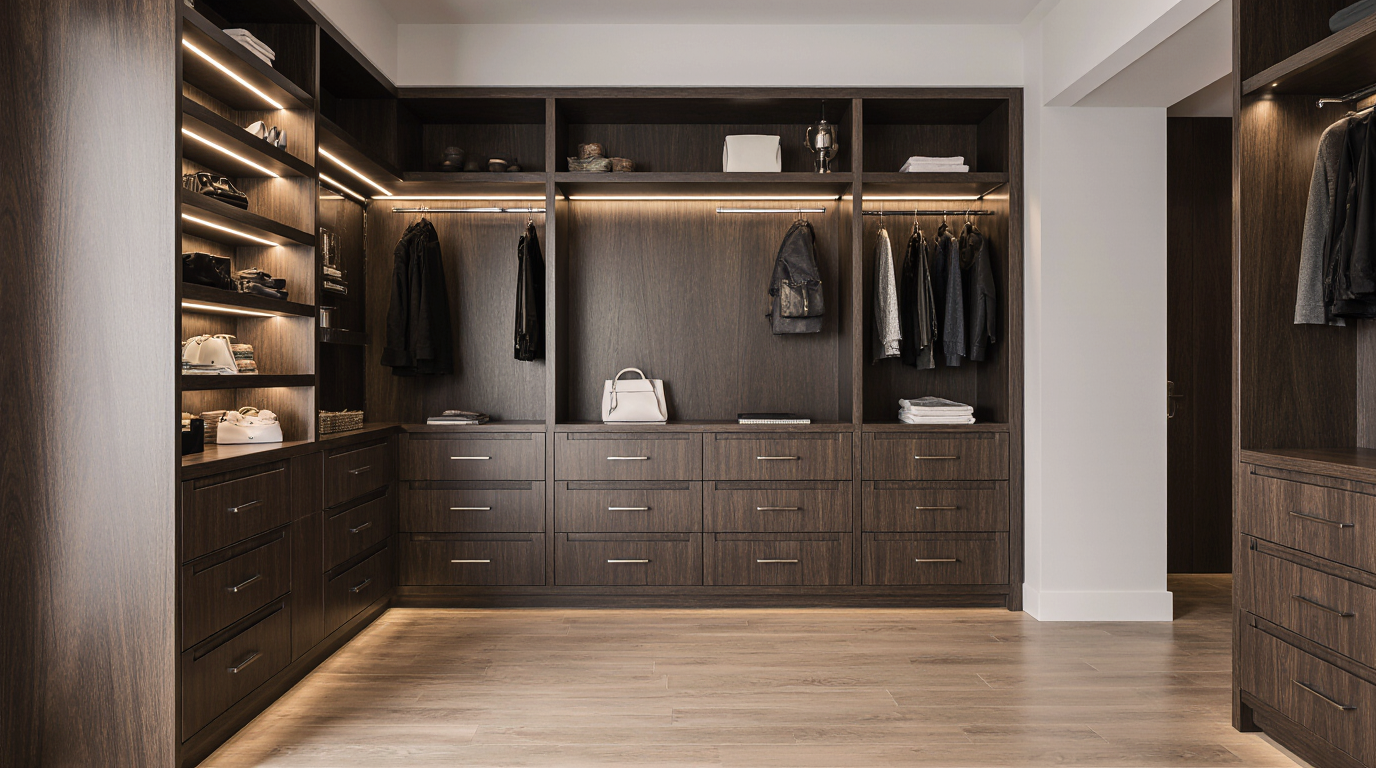
I’ve seen the same structural failure in dozens of high-end closets from Siesta Key to Longboat Key: within three to five years, standard MDF or particleboard begins to swell from Sarasota’s pervasiv…
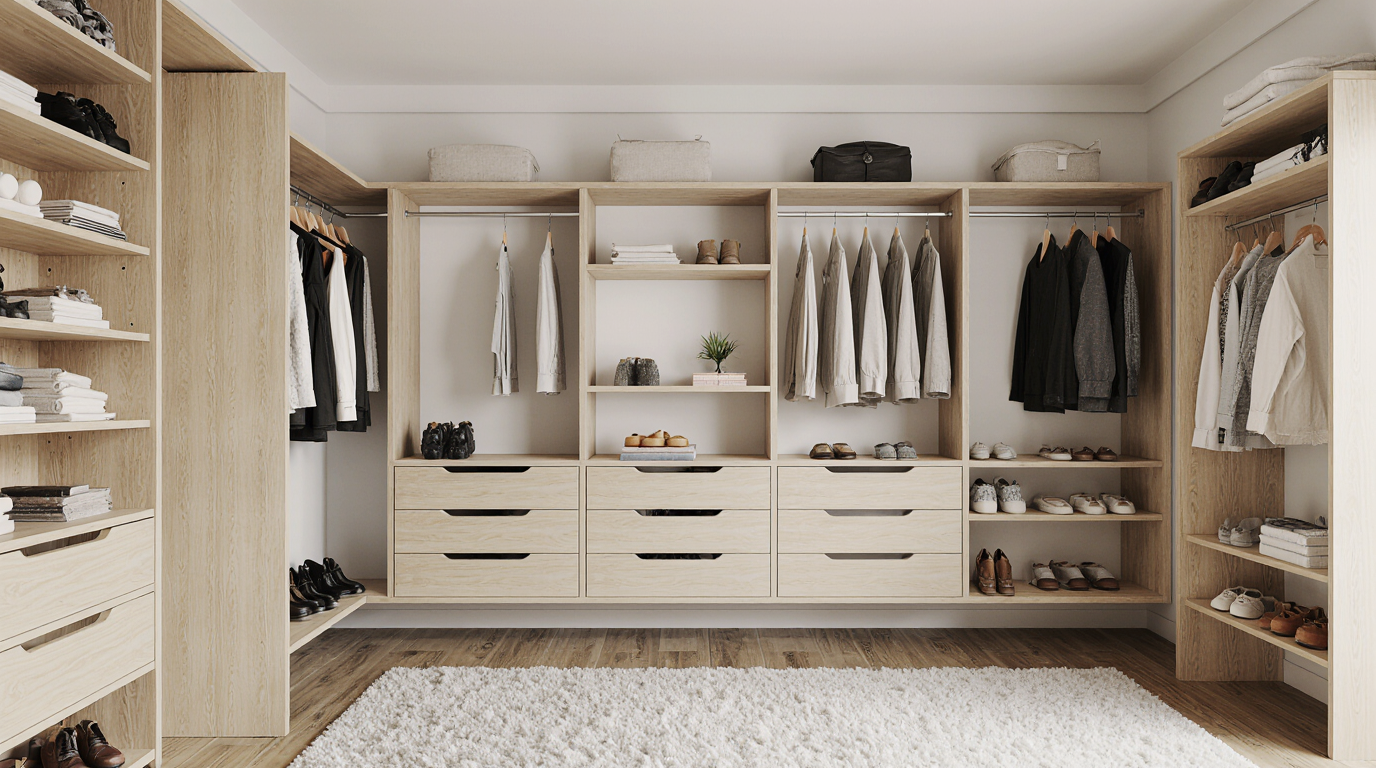
Over my years designing and building custom closets in Sarasota County, I've seen a consistent failure point in high-end homes: cabinetry that simply isn't engineered for our coastal environment. Sta…
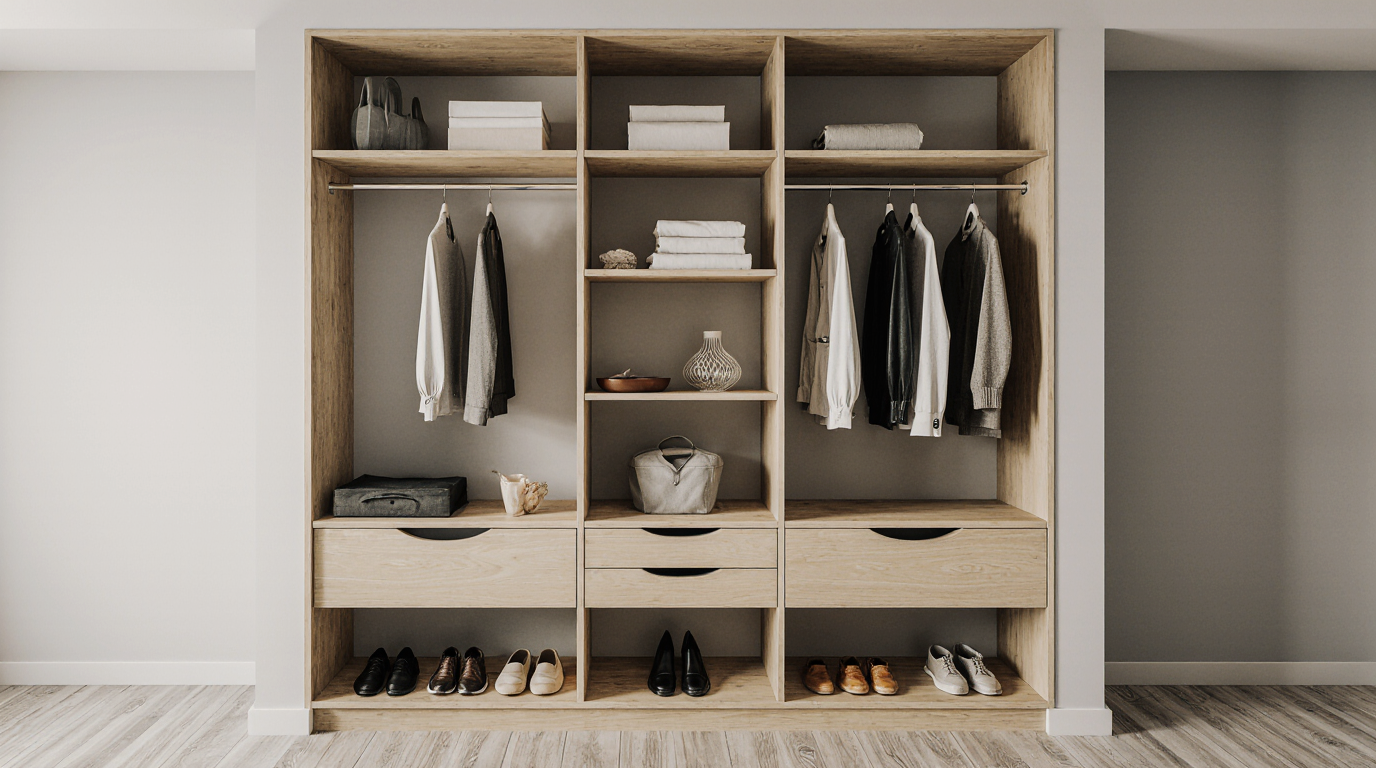
Over years of designing and building custom closets in Sarasota County, I've identified a recurring, costly failure point: delamination and hardware corrosion. I've seen it in waterfront estates on S…
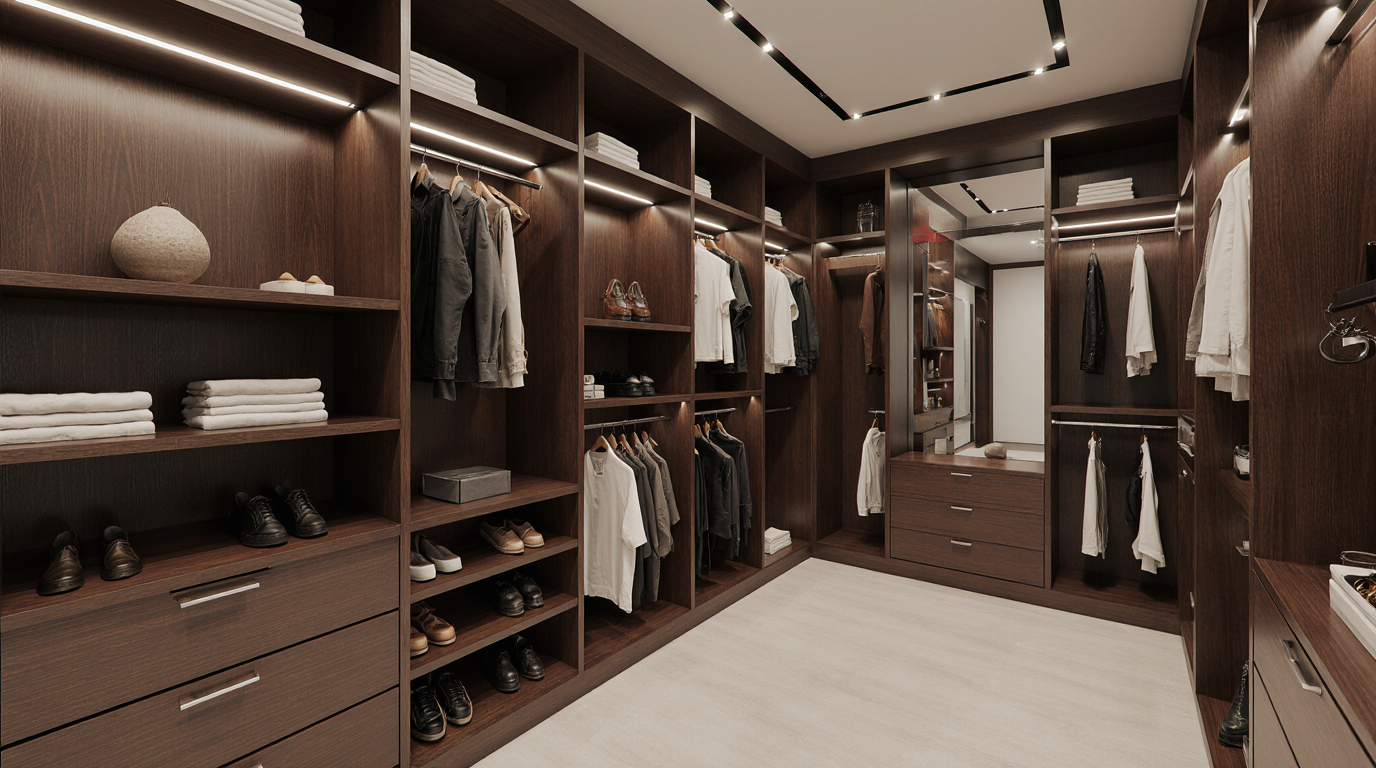
In my years designing and building custom closets here in Sarasota County, the single most common failure I see is material degradation due to ambient humidity. Standard melamine or MDF closets, espe…
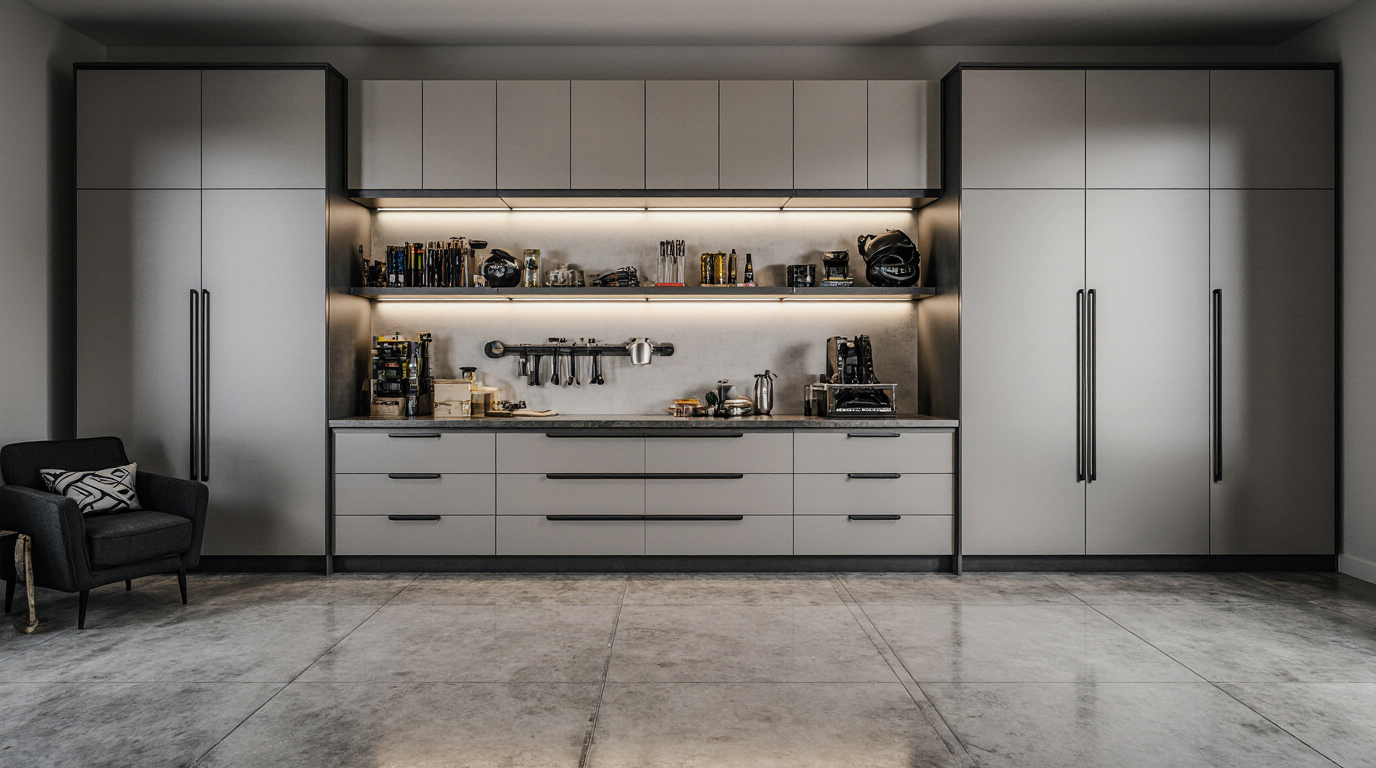
In my years designing and building custom cabinetry here in Sarasota County, I’ve seen the same critical failure in garage storage systems time and again: catastrophic material swelling. Homeowners i…
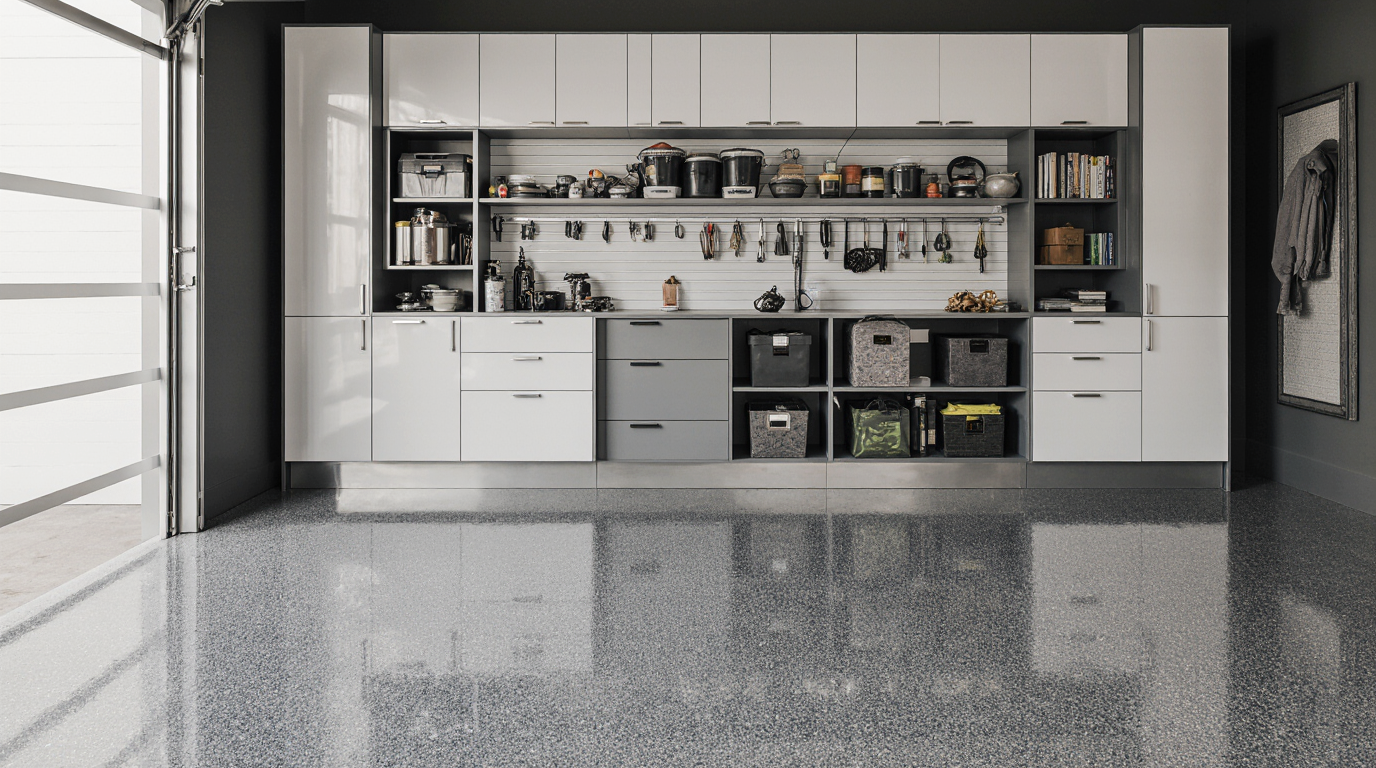
In my experience designing custom cabinetry for homes across Sarasota County, the single most common failure I encounter is in the garage. Standard melamine or particleboard cabinets, often installed…
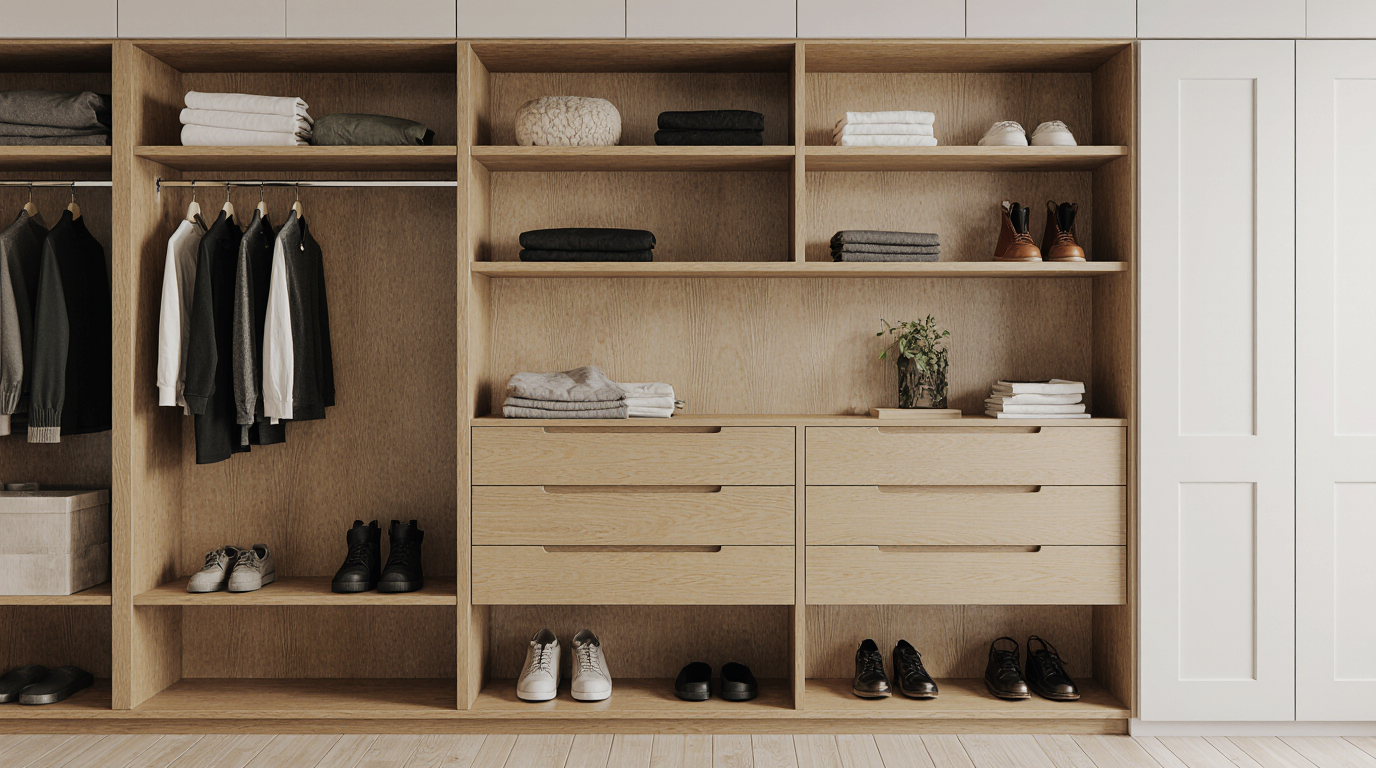
In my experience fabricating and installing high-end closets across Sarasota County, the most common point of failure isn't poor design, but material specification that ignores our coastal reality. I…
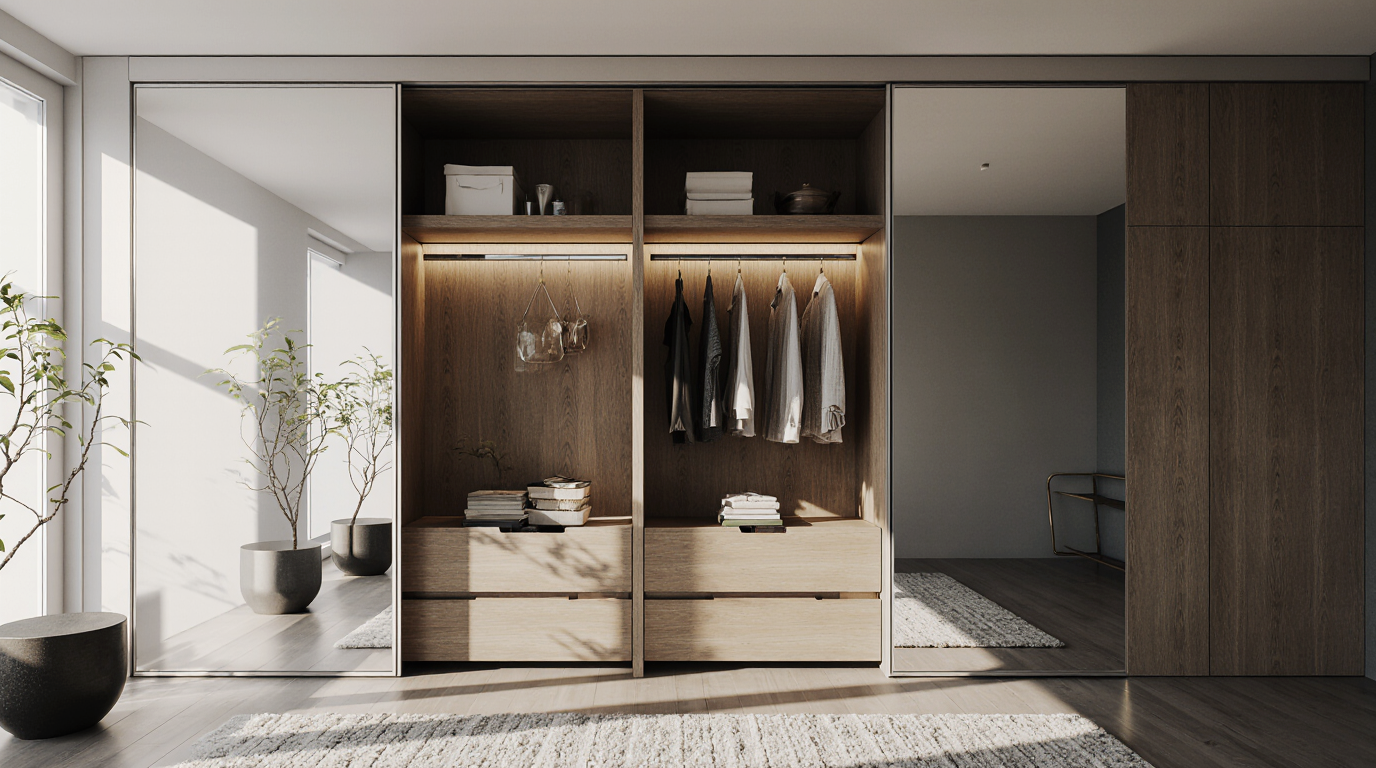
In my years designing and building custom wardrobes for homes from Siesta Key to Lakewood Ranch, I've seen the same structural failure point repeatedly: hardware corrosion and panel swelling caused b…
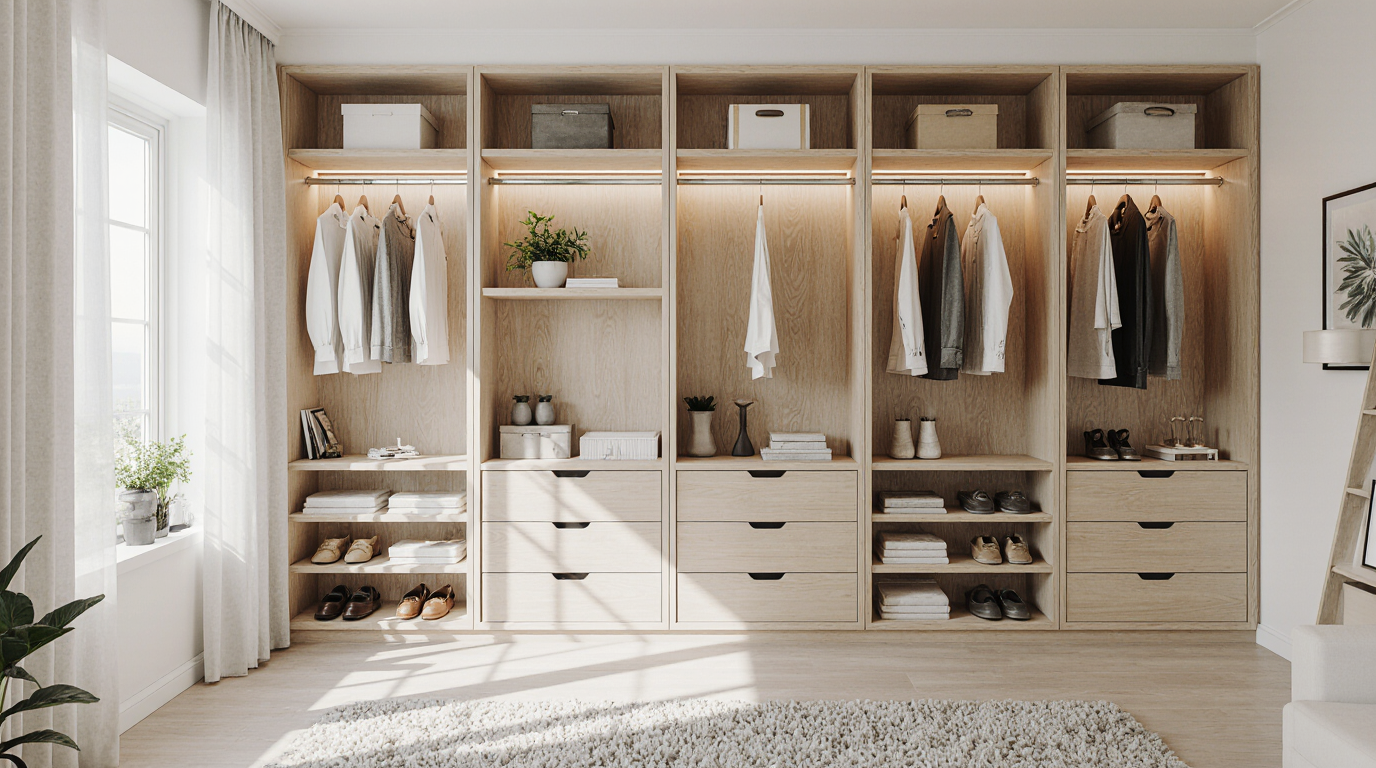
Working on luxury properties across Sarasota County, I've had to replace countless high-end closet systems that failed in under five years. The primary culprit is almost always the same: material sel…
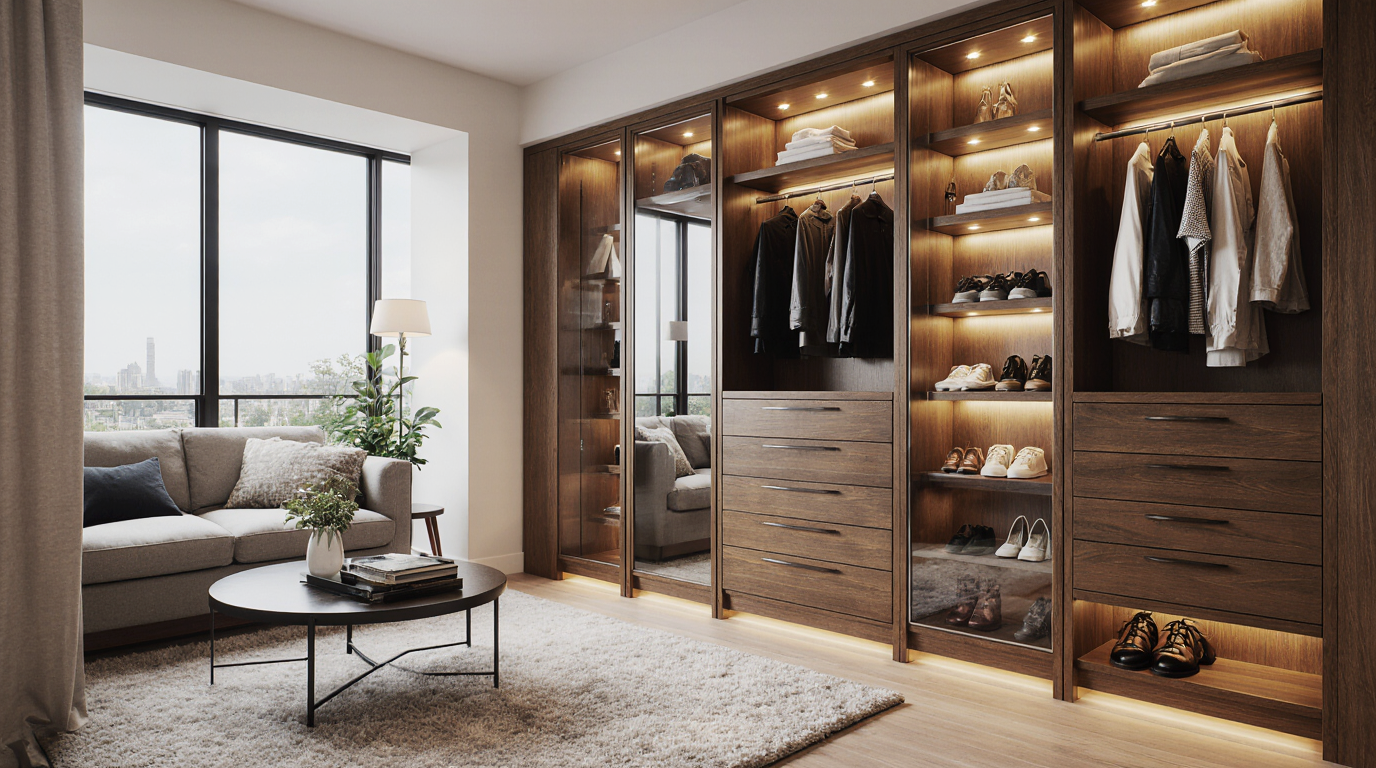
Designing a walk-in closet in Sarasota County presents a unique engineering challenge that standard cabinetry often fails. I've personally seen dozens of installations in Gulf-front properties, from…
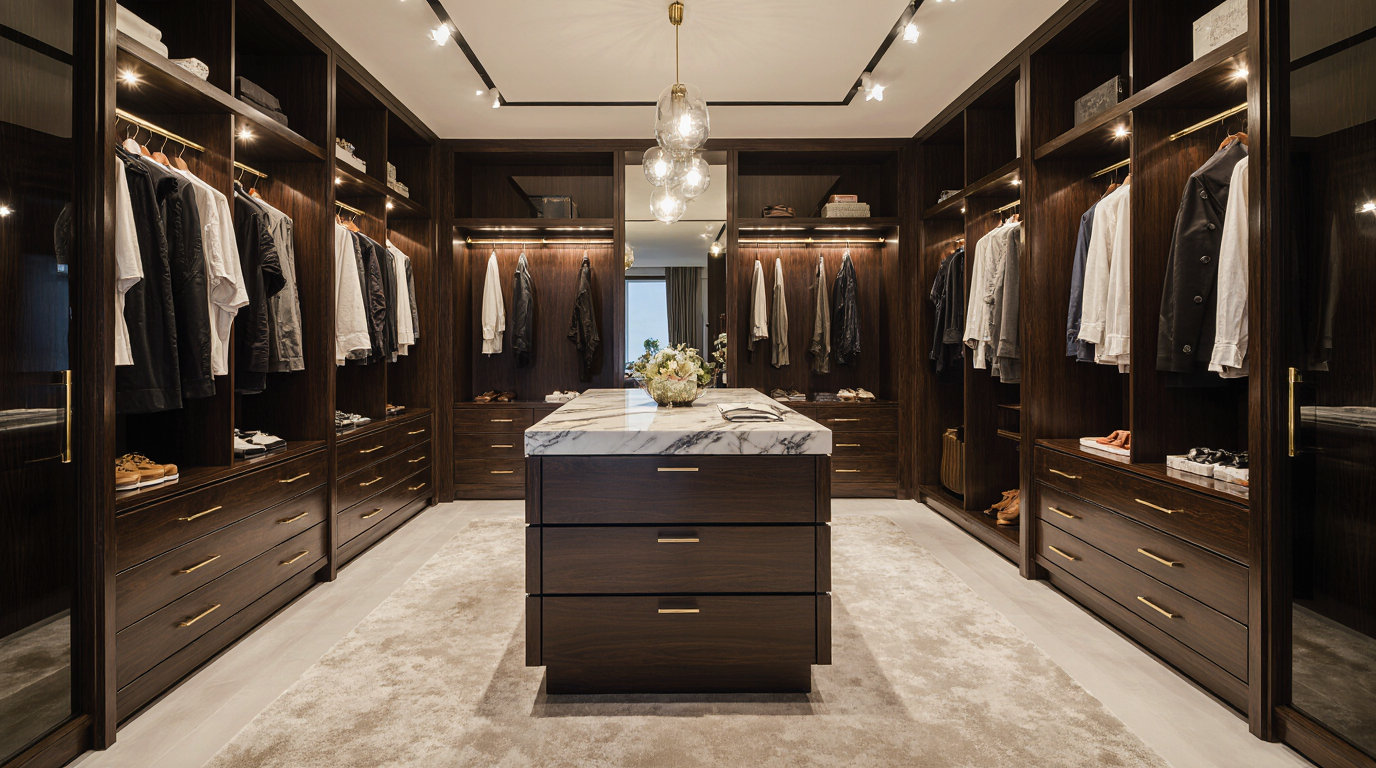
Over years of working on custom cabinetry projects in Sarasota County, I’ve seen a recurring, costly failure in luxury walk-in closets: delamination and hardware corrosion. This issue is particularly…
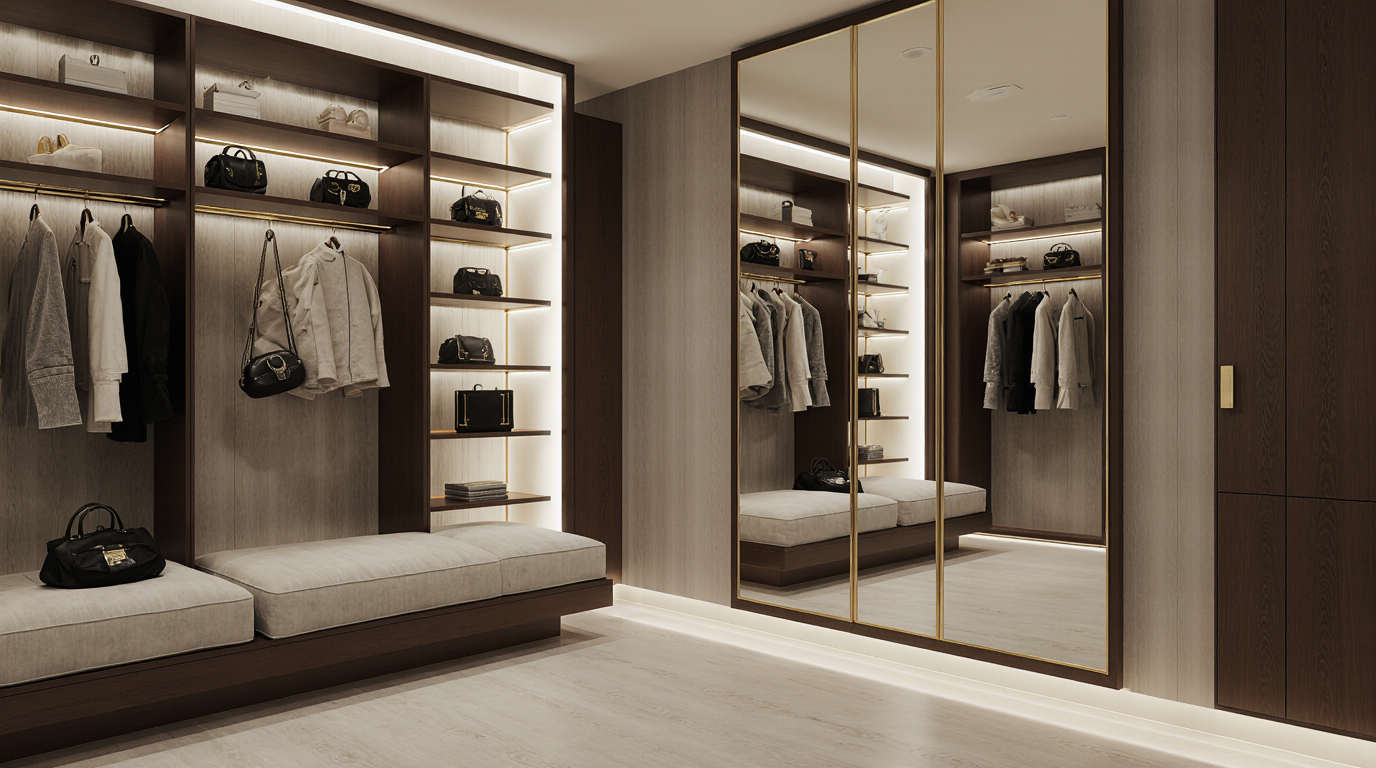
In my years designing and building cabinetry for luxury homes across Sarasota County, I consistently address one critical failure in walk-in closets: premature material degradation. High humidity and…
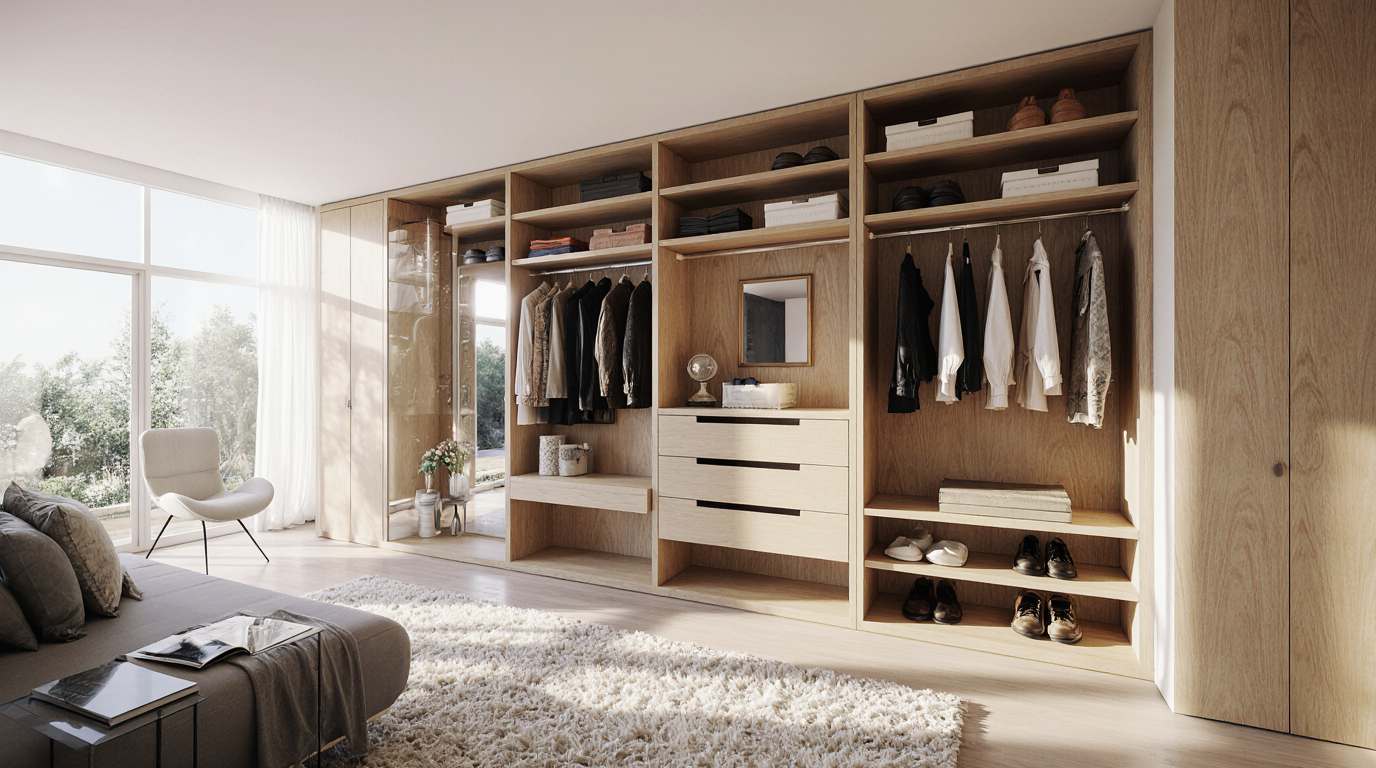
During my years designing and installing custom closets in Sarasota County, I've seen the same structural failure repeatedly, especially in properties along the Gulf. Standard cabinetry materials sim…
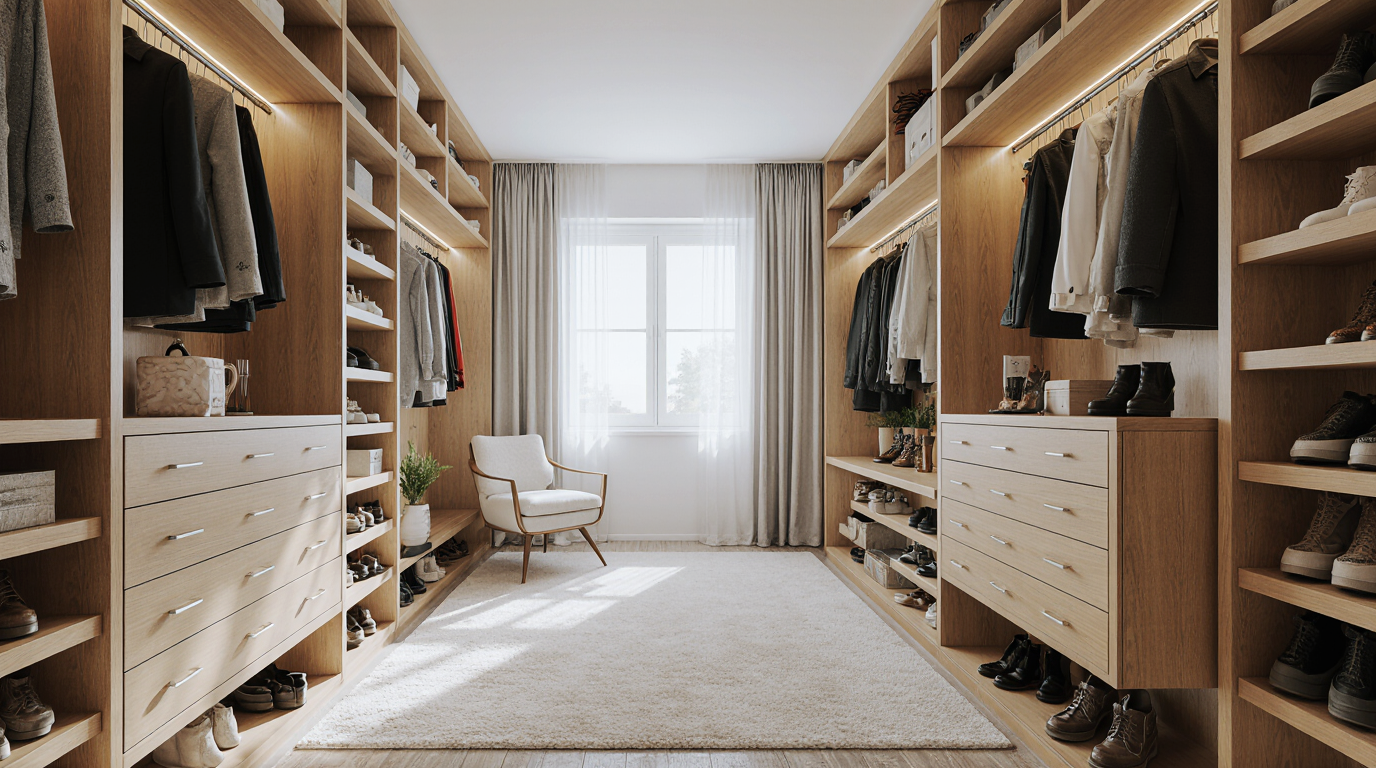
In my experience designing and building walk-in closets across Sarasota County, I've identified a recurring point of failure: the devastating effect of coastal humidity on standard materials. I've se…
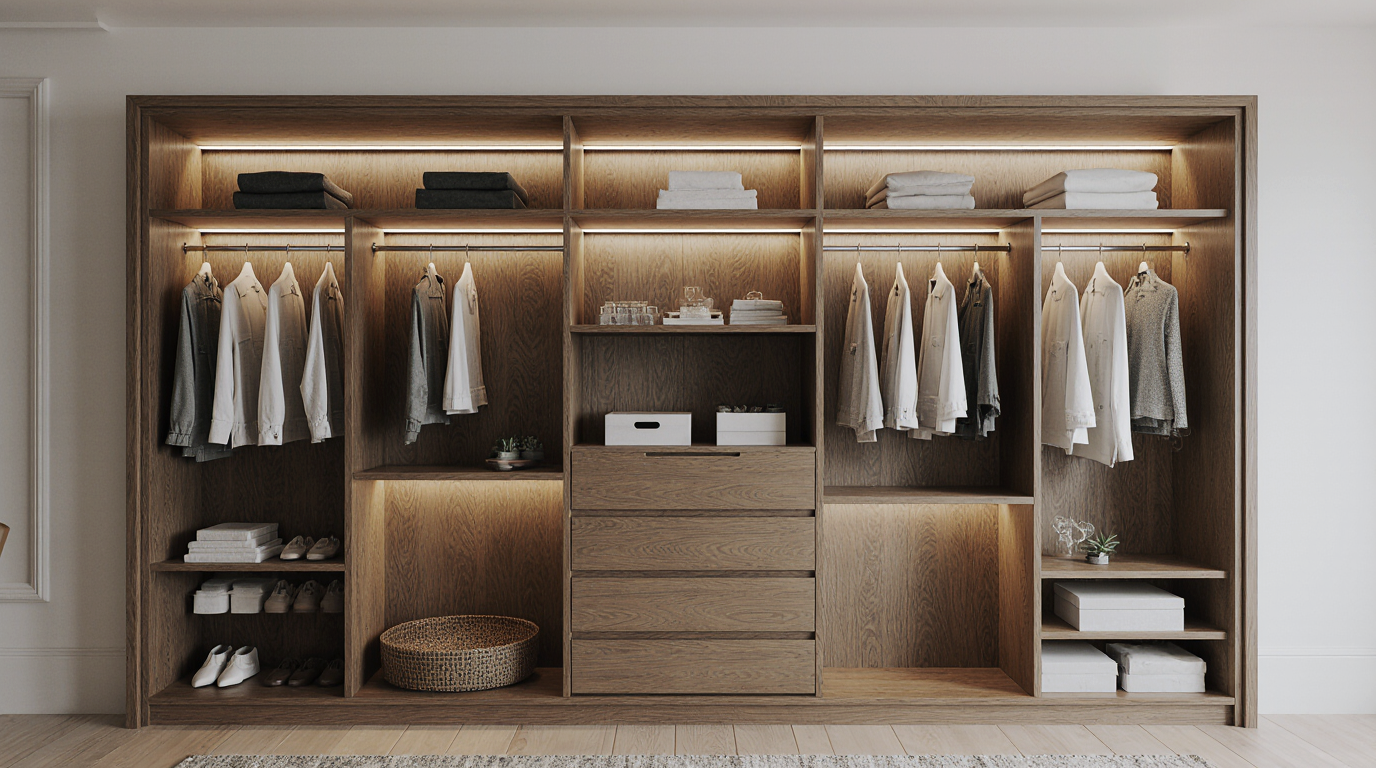
In my years designing and building closets for high-end residences along Sarasota's coastline, I've consistently seen the same point of failure: delamination and hardware corrosion. Standard cabinetr…
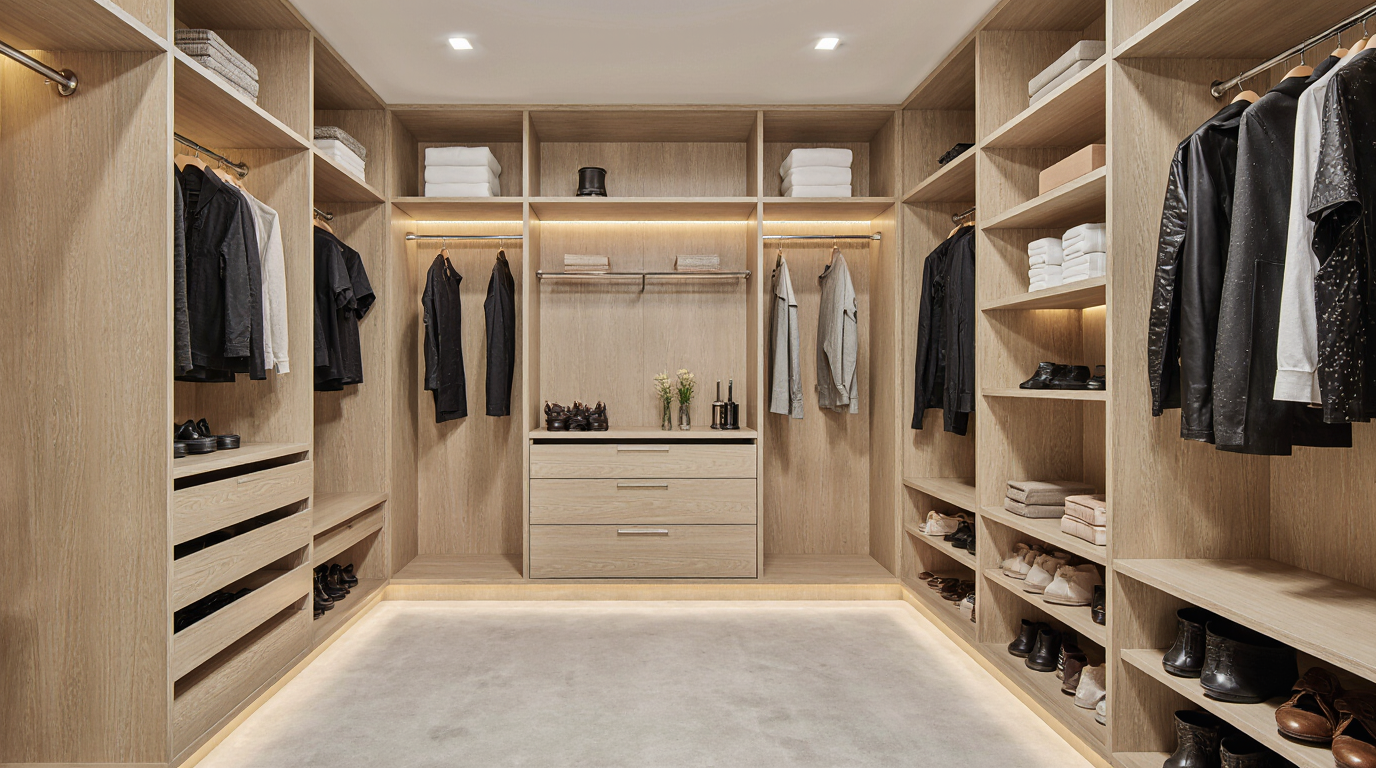
In my years designing and building custom closets across Sarasota County, I’ve seen the same structural failure repeatedly, especially in properties along the Gulf: moisture-induced delamination. Sta…
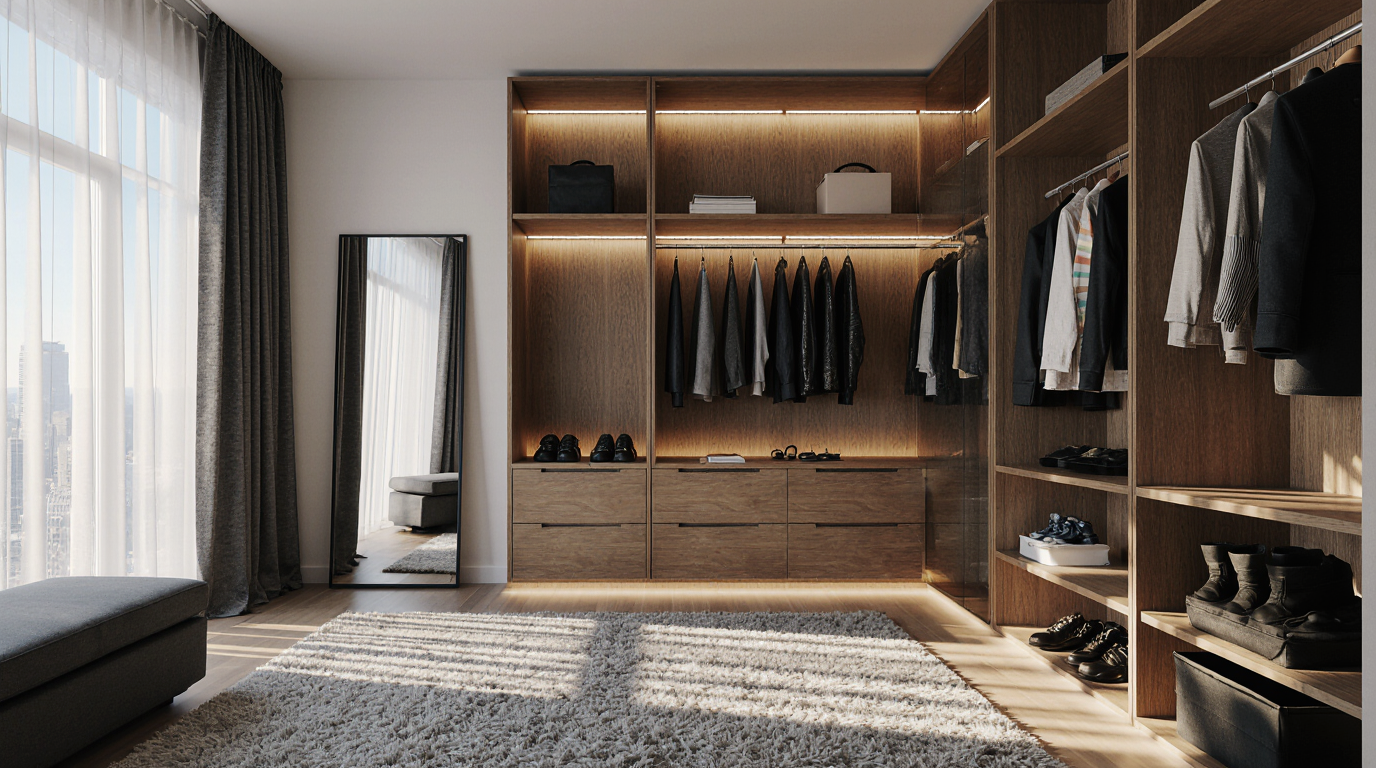
Over my years designing and building custom closets in Sarasota County, I've seen the same structural failure repeatedly, especially in properties along the Gulf: delamination and swelling caused by…
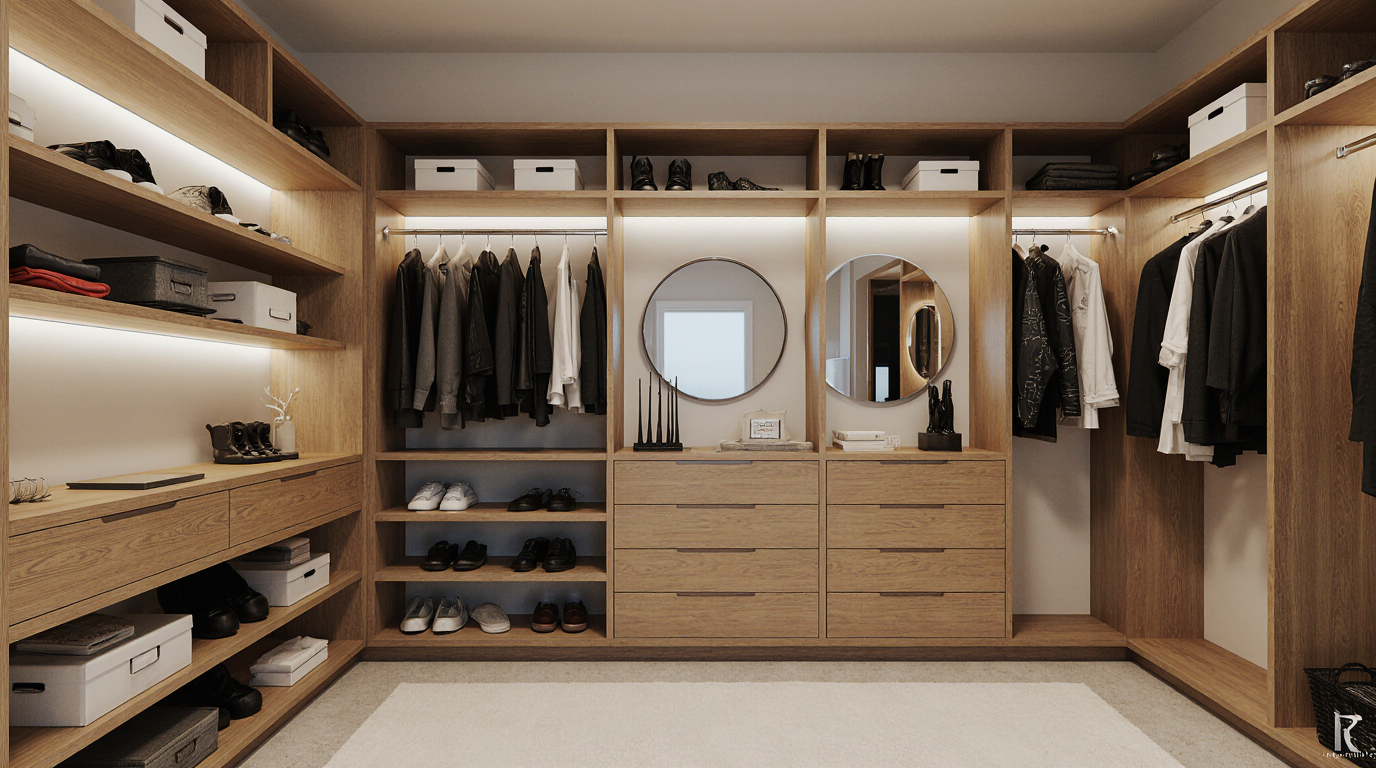
Over my years designing and building custom closets in Sarasota County, I've seen a consistent failure point in high-end homes, particularly those along the Gulf: moisture-induced material fatigue. S…
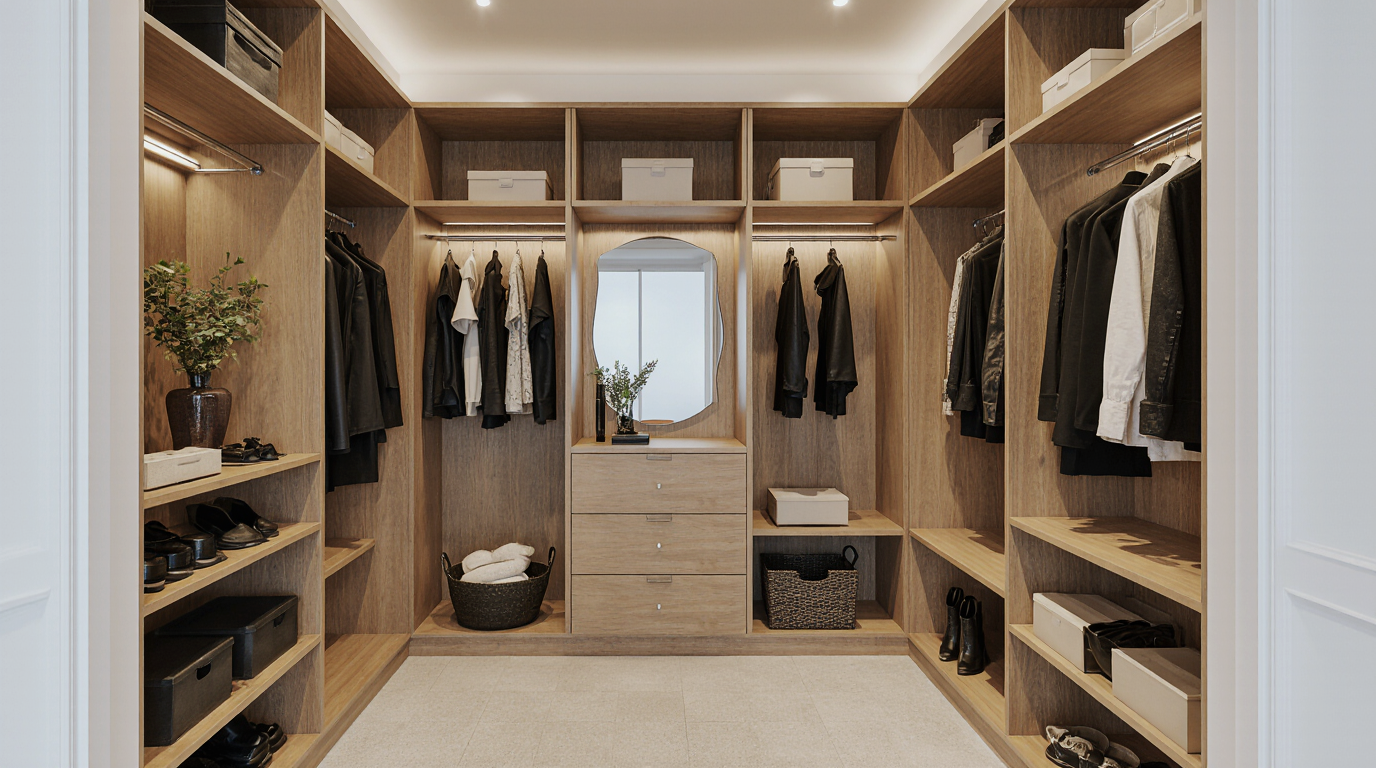
In my years designing and installing high-end closets throughout Sarasota County, I’ve seen the same critical failure point time and again: delamination and hardware corrosion. Standard materials sim…
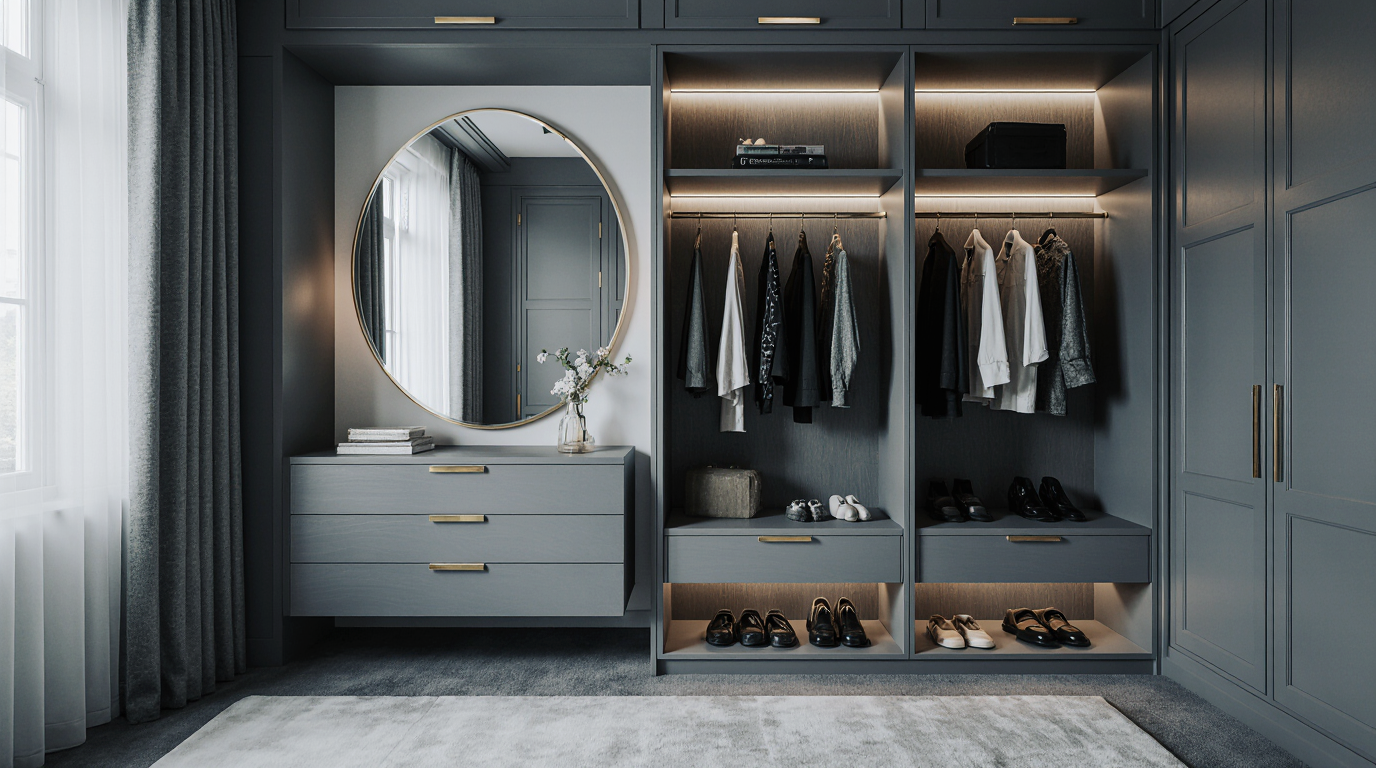
Over my years designing and building closets in Sarasota County, I’ve seen the same structural failure repeatedly: delamination and warping caused by our persistent coastal humidity. Standard cabinet…
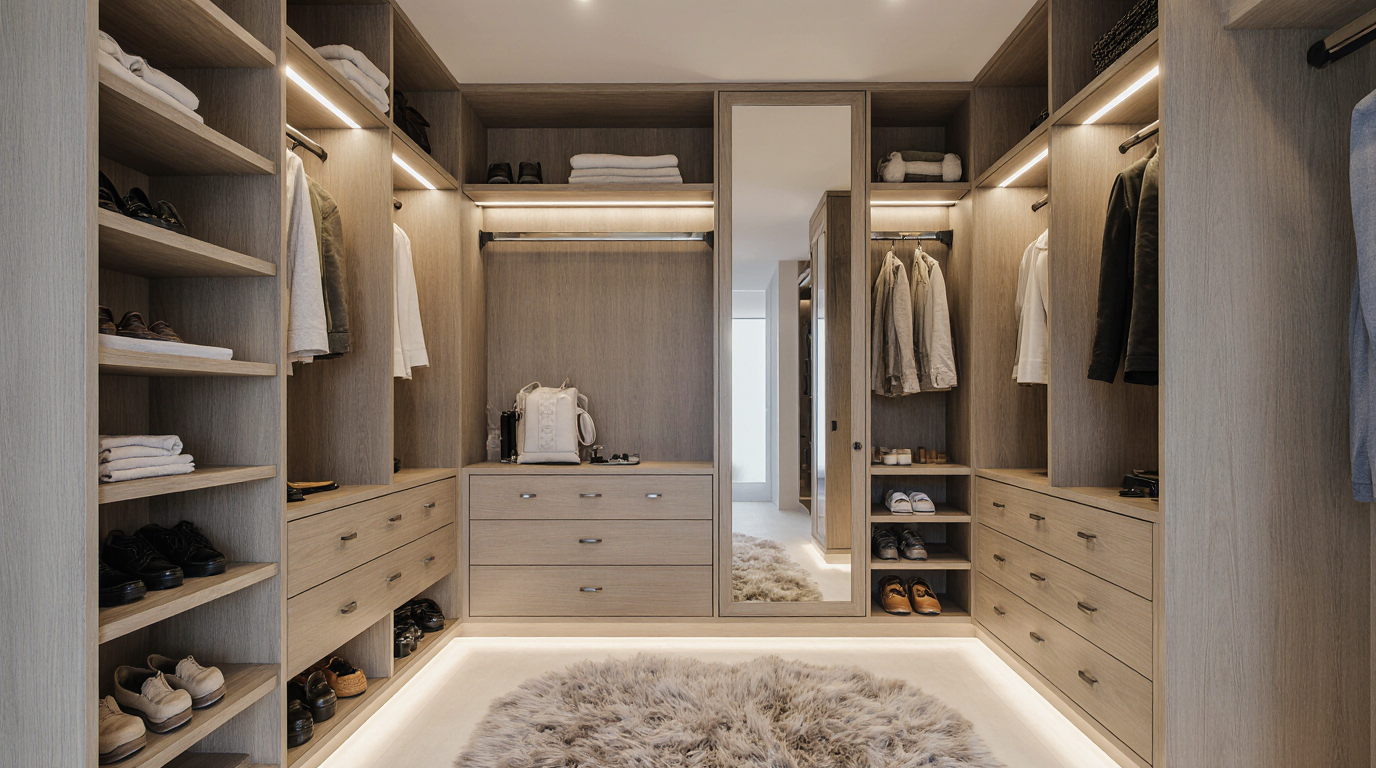
Working on luxury properties from Siesta Key to Lakewood Ranch, I’ve consistently seen modern closets fail not from design, but from material ignorance. The high humidity and salinity in Sarasota Cou…