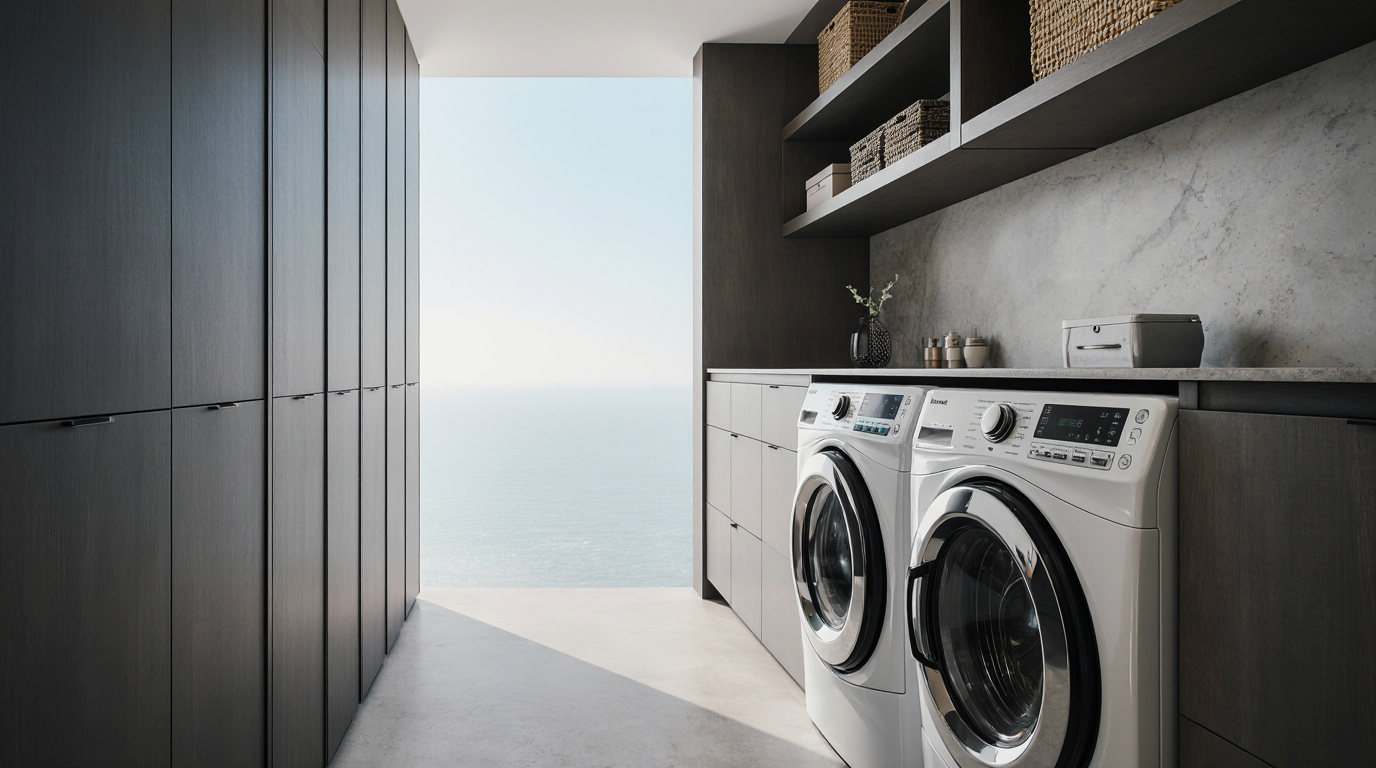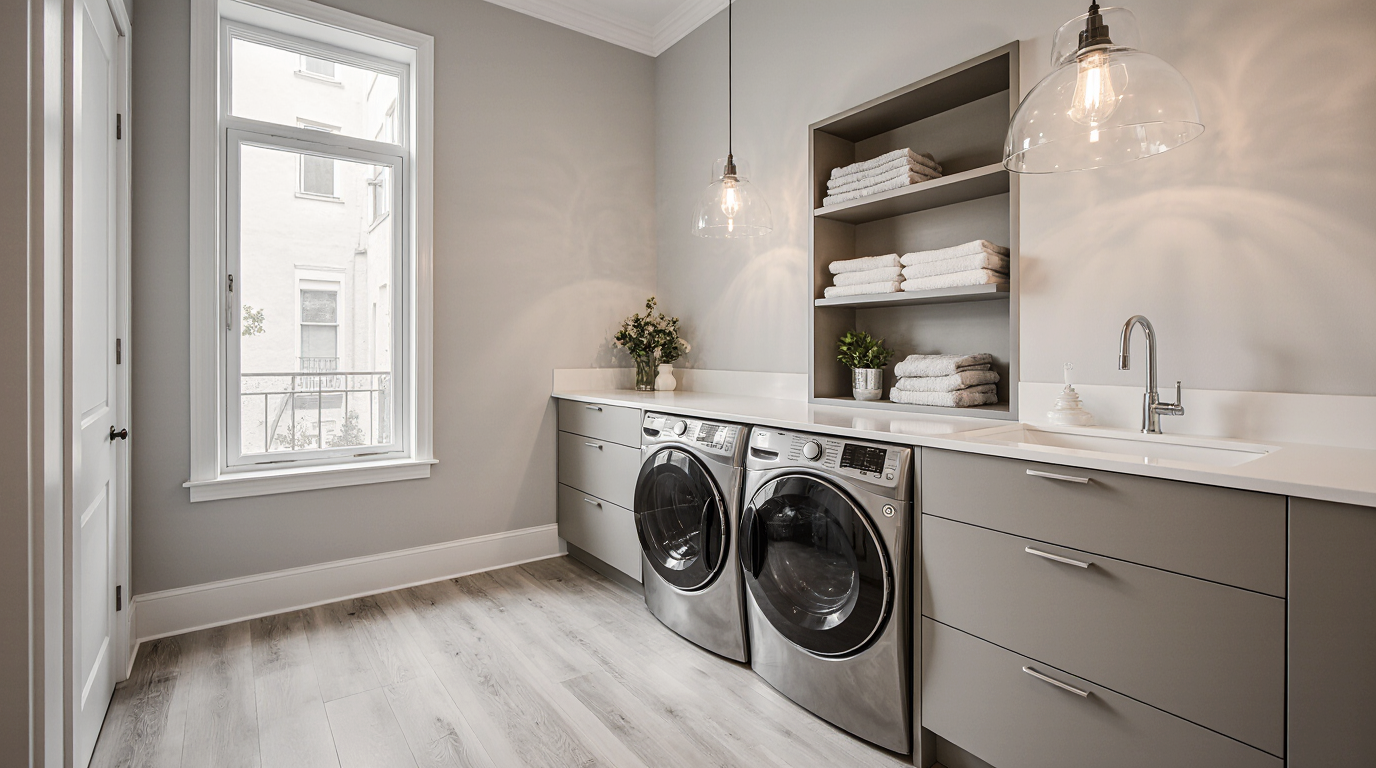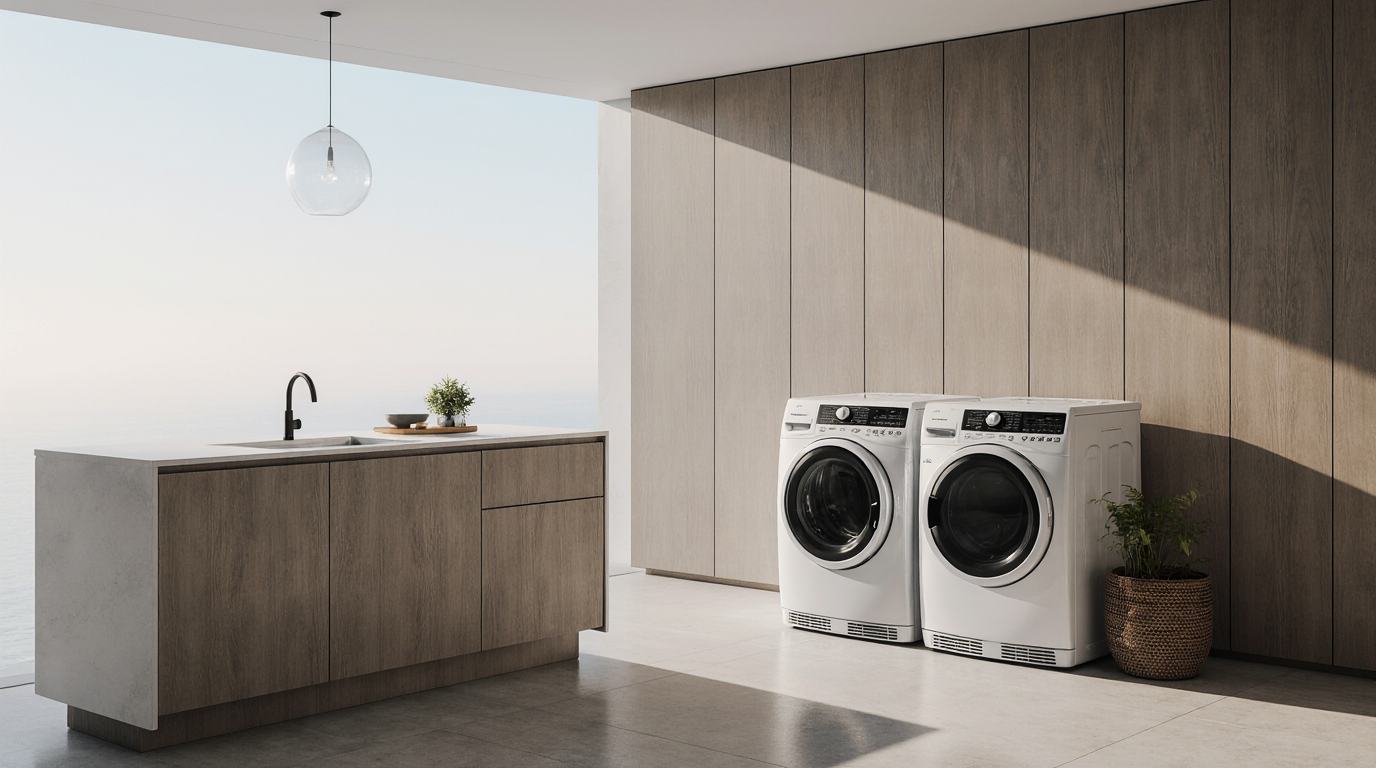
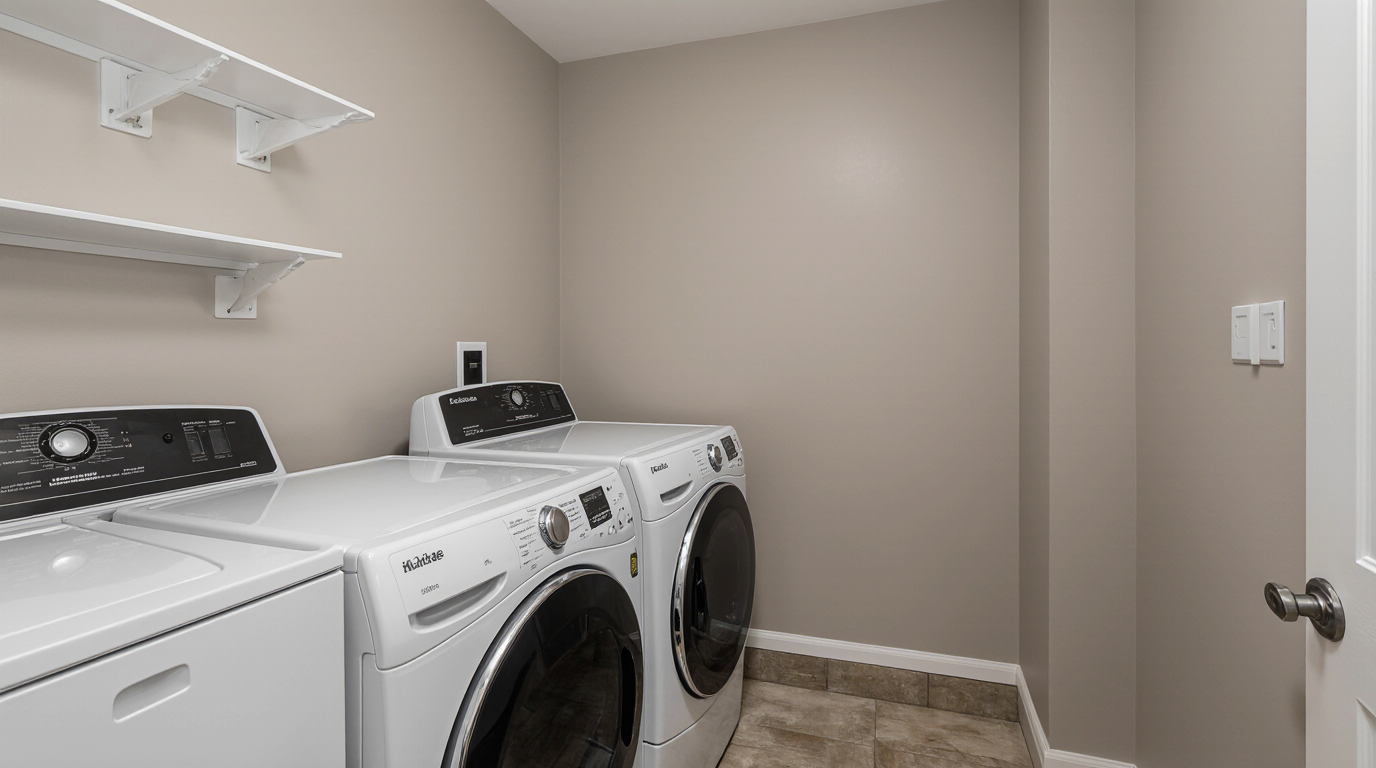
The evolution of the laundry room from a purely practical, tucked-away space into a highly functional, visually cohesive part of the modern home is a profound change in modern home architecture. This space, once banished to the cellar or a cramped closet, is increasingly a priority room, demanding the same level of design sensibility and ergonomic consideration as a kitchen or primary bathroom. Achieving a truly Contemporary Laundry Room requires a careful equilibrium between cutting-edge workflow efficiency and a clean, refined visual language. This is much more than appliance placement; it involves thoughtful spatial planning, material selection, and the integration of smart storage solutions that address the needs of modern living.
The foundation of any high-performing utility room lies in its layout optimization. For optimal ergonomics, the arrangement of appliances should follow a logical sequence: sorting, washing, drying, folding, and storing. In smaller footprints, a unitized setup for the washer and dryer is still an excellent solution, freeing up valuable horizontal surface area. Nevertheless, for larger dedicated rooms, a side-by-side placement usually allows for continuous worktops flanking the machines, which is crucial for the folding process. Consider the plumbing access early in the design phase; proximity to existing water lines and drains can significantly impact renovation costs and placement flexibility. On top of that, adequate ventilation is absolutely vital for air quality but a design component—high-capacity venting is required for managing moisture, which may damage surfaces and create an unpleasant microclimate.
Materiality is the key to achieving the contemporary aesthetic. Gone are the days of harsh fluorescent lighting and basic white laminate. Today’s designs lean into durable, refined surfaces. Countertops, often essential for treating stains or folding, must be composed of water-resistant compounds and harsh chemicals. Quartz and solid surface materials offer seamless integration, excellent stain resistance, and a clean, monolithic appearance that fits exactly with the current design ethos. For cabinetry, select slab-style fronts with understated metallic elements—the hallmark of contemporary style. Finishes such as high-gloss lacquer, matte European laminate, or natural stained wood veneers add texture without visual clutter. The flooring choice is equally critical; large-format porcelain tiles are a prime choice, offering exceptional water resistance, durability under heavy appliance vibration, and a sleek, continuous look when grout lines are minimized.
Illumination strategy is vital for changing the perception of the area from a chore space into a pleasant environment. Effective lighting must serve dual purposes: task lighting and ambient lighting. Under-cabinet LED strips shining right onto the countertop are absolutely essential for detailed work like stain pre-treatment or folding crisp edges. These need support from ceiling-mounted spotlights with a high Color Rendering Index (CRI) to ensure true color perception, vital when dealing with whites and delicate fabrics. The contemporary preference is for clean lines, so steer clear of decorative lamps or heavy fittings; minimalist linear pendants or flush-mount fixtures are the ideal choice.
The concept of Integrated Storage is what elevates a good utility room from an uninspired working area. Open shelving, while popular, can quickly look messy, undermining the contemporary appeal. For this reason, prioritize closed cabinetry and built-in organizational systems. Deep drawers fitted with specialized dividers are ideal for keeping cleaning agents, softeners, and stain removers, keeping them out of sight yet readily accessible. Think about a hidden, retractable sorting unit, often cleverly concealed within a base cabinet. For items needed less frequently, such as seasonal bedding or specialized cleaning tools, vertical storage extending to the ceiling makes the most of the vertical space—be certain the upper doors use cushioned hinges for a premium feel. A hanging rod installed beneath upper cabinets or near the dryer delivers an essential feature for air-drying delicates or hanging garments straight from the dryer to prevent wrinkles, enhancing overall garment care.
Workflow enhancement through technology is a defining characteristic of the modern utility space. Integrating a dedicated utility sink with a deep basin and a high-arc, pull-down faucet simplifies the pre-soaking and hand-washing of items too delicate for the machine. Furthermore, exploring smart appliance integration takes the room to the next level. Machines connected to home Wi-Fi facilitate off-site control and notification alerts for cycle completion, enabling multitasking efficiency. This attention to technological synergy shows dedication to an advanced aesthetic.
The aesthetic details, sometimes missed, cement the high-end contemporary finish. Hardware, when included, should be sleek—long, slender bar pulls or minimalist knobs in finishes like brushed nickel, matte black, or polished chrome. A subtle backsplash using a textured tile, maybe a long, narrow pattern or a smooth, vertically stacked subway tile, introduces a point of focus without competing with the room's clean lines. If space permits, incorporating a small, built-in folding station or a fold-down ironing board adds immense practical value while maintaining a streamlined profile. Even the choice of laundry basket matters; opting for integrated, attractive bins over mismatched plastic baskets is key to the polished and organized look. The ultimate goal is to build a room that makes domestic upkeep simpler and rather like a smooth, enjoyable element of maintaining a well-ordered home, a sanctuary of domestic efficiency. This level of detail guarantees the space is far from temporary, but a well-engineered environment that considers the occupant's energy and design preference.