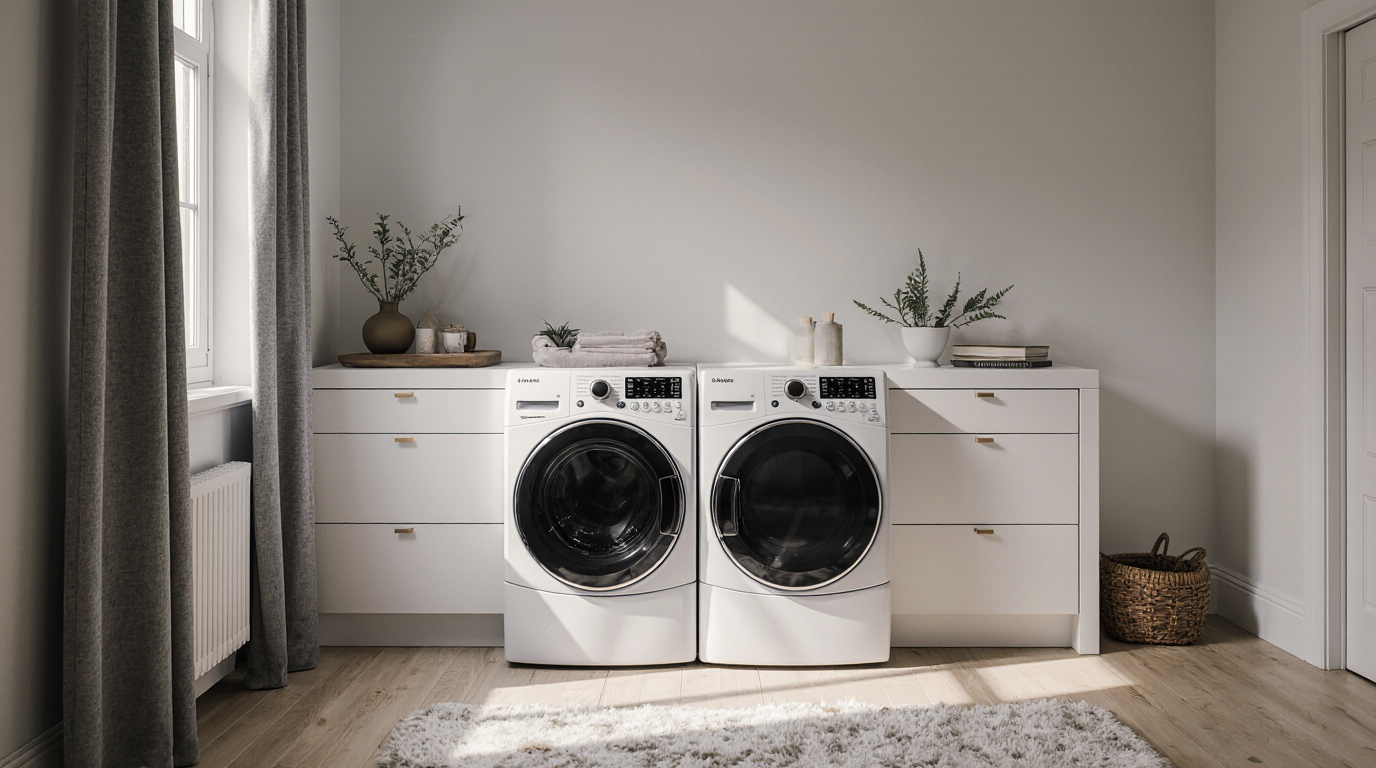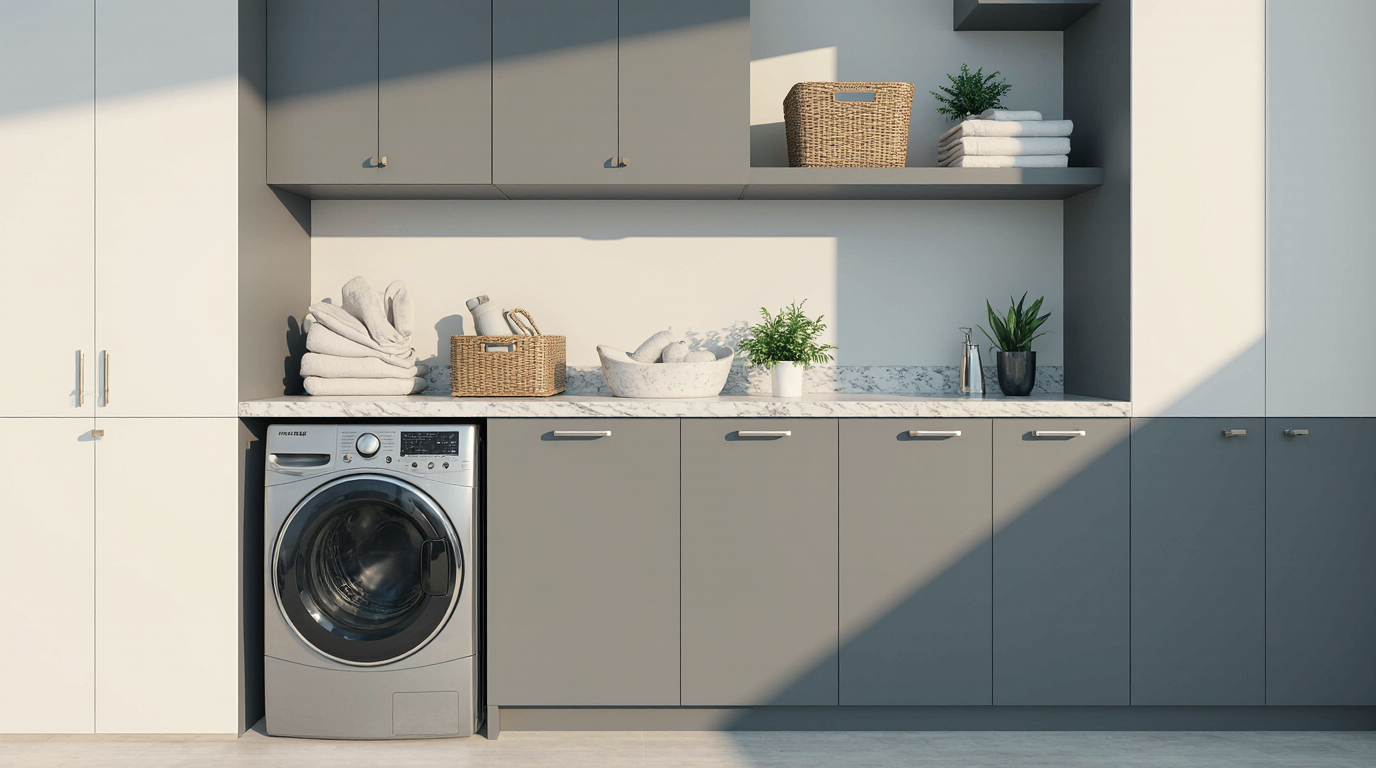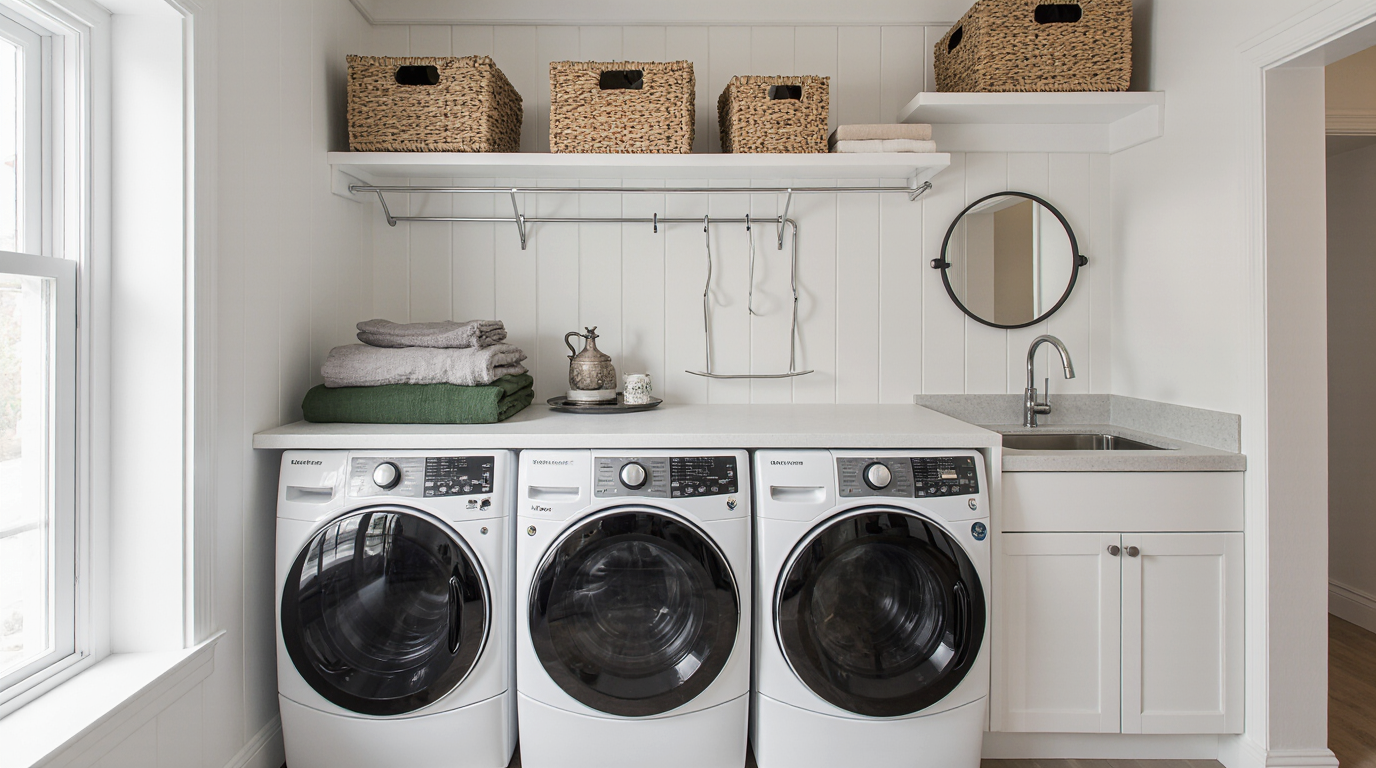
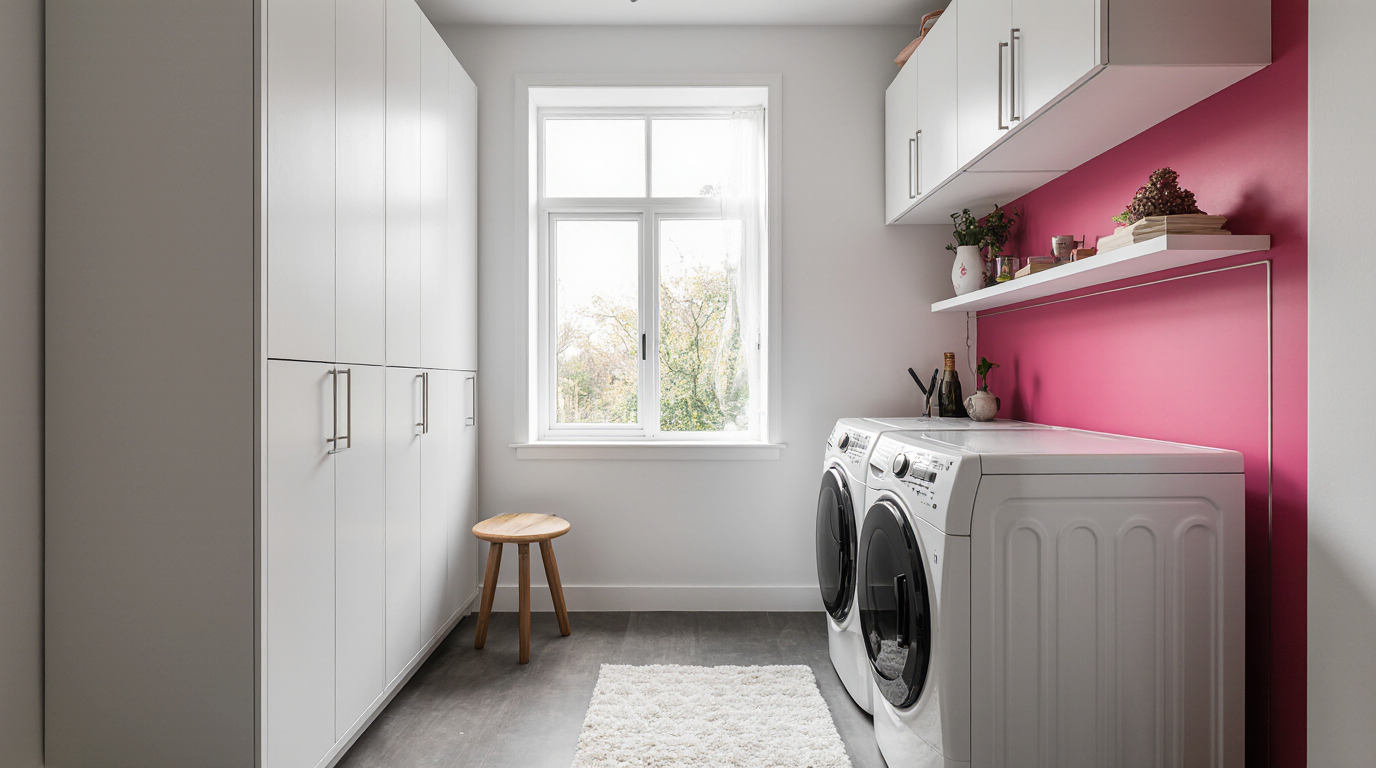
The modern laundry area is undergoing a remarkable evolution, shifting from a utilitarian afterthought into a meticulously designed, dual-purpose hub of domestic efficiency and relaxation. No longer are we confined when this space was shoved into a dark, damp corner of the basement. Current trends integrate design ingenuity and human-centered design to foster an ambiance where even the most repetitive tasks become effortless. Achieving this transformation calls for a close look at custom joinery, advanced tech solutions, and a dedication to sustainable material sourcing.
A key component of high-end laundry design centers on efficient operation. This is not merely about positioning the units; it is about the complete process of a garment, from laundry pile to neatly organized stacks. Comfort is paramount. A frequent mistake is the unvarying height of conventional countertops. In contemporary design, we advocate for counters set at a tailored waist level, often near 920 millimeters or a full meter for taller individuals, alleviating musculoskeletal strain caused by prolonged bending over folding surfaces. Beyond this, front-loading appliances should be lifted onto designer risers, lifting the drum opening to a comfortable transfer height, eliminating the tiring, back-straining bend. The thoughtful positioning of appliances should also ensure an open pathway—if implementing a two-wall plan, be sure doors swing clear of the primary activity area to avoid blockages and potential injury during load transfer.
Clever storage solutions mark the difference between chaos and serenity in a perfectly planned laundry. Reconfigurable cabinets are increasingly favored for their adaptability, allowing homeowners to adjust shelving as needs change. We champion the use of pull-out hampers or integrated sorting drawers tucked under the countertop or on either side of the machines. These systems, often including distinct compartments for whites, colors, and delicates, simplify the pre-wash process and eliminate the eyesore of unsightly baskets. Floor-to-ceiling utilization is another non-negotiable in getting the most out of smaller footprints. Taking advantage of the area between the wall units and the ceiling with a top tier of fully enclosed cabinets stores infrequently used supplies like backup products out of sight. For daily essentials—washing products—open timber ledges provide accessible storage while enhancing the room's cozy feel, often in natural timber finishes to complement contemporary palettes. For items requiring a quick line, a great option is a retractable drying rack that tucks neatly against the wall or ceiling when not in use, eliminating the footprint of a permanent, bulky airer.
The incorporation of premium fittings and fixtures lifts the room from simple to stunning. Think beyond standard chrome. The addition of brass, brushed nickel, or even matte black on cabinetry and faucets lends a refined, polished feel. Large apron-front basins, ideally made from durable materials like high-grade solid surface rather than standard ceramic, provide plenty of room for pre-soaking or hand-washing without splashing onto the surrounding surfaces. When selecting the wash basin, make sure it is sufficiently large but not so deep that it causes undue strain to reach the bottom—sometimes a basin placed on the counter surface is more comfortable to a far-reaching trough.
Illumination planning is an element often undervalued but paramount to both job performance and ambiance. A single overhead fixture is simply inadequate. A well-lit laundry incorporates layered lighting: overhead illumination from integrated ceiling panels, under-cabinet strips installed directly underneath wall cabinets to eliminate shadows without shadow, and optionally decorative sconce lighting to add visual interest. The hue of the bulb is very important; choosing a neutral to slightly warm white light (a daylight spectrum) allows that clothing colors are seen clearly.
The popular hues favor serene, nature-inspired tones that promote calm. Soft indigos, earthy moss tones, and deep terra-cottas are taking the place of stark white or clinical gray. These colors work exceptionally well when juxtaposed against the natural texture of hardwood flooring, a material choice that contributes real character and comfort, though adequate sealing is essential to manage moisture. A bold tile backsplash, perhaps a geometric pattern in black and white or a vibrant pattern, serves as the focal point, creating a design moment in an utilitarian environment.
For advanced tech use, consider more than the appliances themselves. A great option is Wi-Fi-enabled ventilation systems that respond to humidity spikes, proactively managing mold and mildew are proactively managed. The appliances ought to include advanced textile recognition capabilities that automatically fine-tune water levels and cycle times, reducing consumption in household resources—a nod to sustainable living within the home.
The most forward-thinking designs merge utility with lifestyle. The laundry-mudroom hybrid remains extremely popular, especially in larger homes or where a multi-use design is required. This demands clear separation: a bench for removing boots, robust waterproof flooring, heavy-duty hanging solutions, and concealed cabinets for maintenance items and pet needs. Even in a dedicated laundry space, fitting a dedicated craft area or a craft workspace makes the room versatile, transforming downtime into productive time. The crowning element focuses on comfort: hanging a favorite print, a soft underfoot texture, or bringing in resilient indoor plants, such as a naturally air-purifying species, alters the whole atmosphere from a chore zone to a personalized retreat. This all-encompassing philosophy guarantees the laundry room is not just efficient, but an inspirational domestic space.